

Shaktipeeth
Karavira
Shree Karveer Niwasini Ambabai Mahalakshmi Temple
- Devi
- Mahalakshmi
- Bhairava
- Mahishamardini
- Place
- Kolhapur, Maharashtra, India
Maha Shakti Peetha
Shri Renuka Mata shaktipith, Mahurgad
Bhopi Near Tea point, Patil Colony, Mahurgad, Maharashtra 431721
Renuka Devi Temple at Mahur is a major hill shrine and one of Maharashtra's three-and-a-half Shakti Peethas. Regional tradition links the site with Ekaveerika, while Mahur is also sacred to Dattatreya.

Shri Renuka Mata Temple stands on a hill at Mahur, also called Mahurgad, in Nanded district, Maharashtra. Mahur was traditionally known as Matapura or Matapur and is one of the state’s celebrated three-and-a-half Shakti Peethas. The goddess Renuka is revered as the mother of Parashurama, while the surrounding pilgrimage landscape includes temples of Dattatreya, Anasuya, Parashurama and other sacred sites on separate hills. Maharashtra Tourism identifies Mahur as a major centre of goddess worship set within a forested and historic landscape.
The Peetha tradition recorded in this database names the goddess Ekaveerika. One account associates the site with Sati’s right hand, while another regional tradition names the head. A dependable Peetha-specific Bhairava name has not been established in the entry. The popular Renuka narrative and the Ekaveerika Shakti Peetha classification overlap at Mahur but are not identical in every source, so both body-part variants should remain visible.
Navratri and especially Vijayadashami bring major worship and pilgrimage to Renuka Devi. Dattatreya Jayanti is important across Mahur’s broader sacred circuit and draws visitors to Datta Shikhar and related shrines. The hill journey, Renuka–Parashurama tradition and association with Dattatreya make Mahur a multi-layered pilgrimage destination. Its significance extends beyond a single body-part narrative to Maharashtra’s wider tradition of mother-goddess worship.
Mahur traditions associate the shrine with Sati's right hand, while other regional accounts mention the head. Ekaveerika is the goddess named in the Peetha tradition, but a dependable Bhairava name is not recorded here. Both body-part variants should remain visible rather than selecting one without explanation.
Shaktipeeth
Shree Karveer Niwasini Ambabai Mahalakshmi Temple
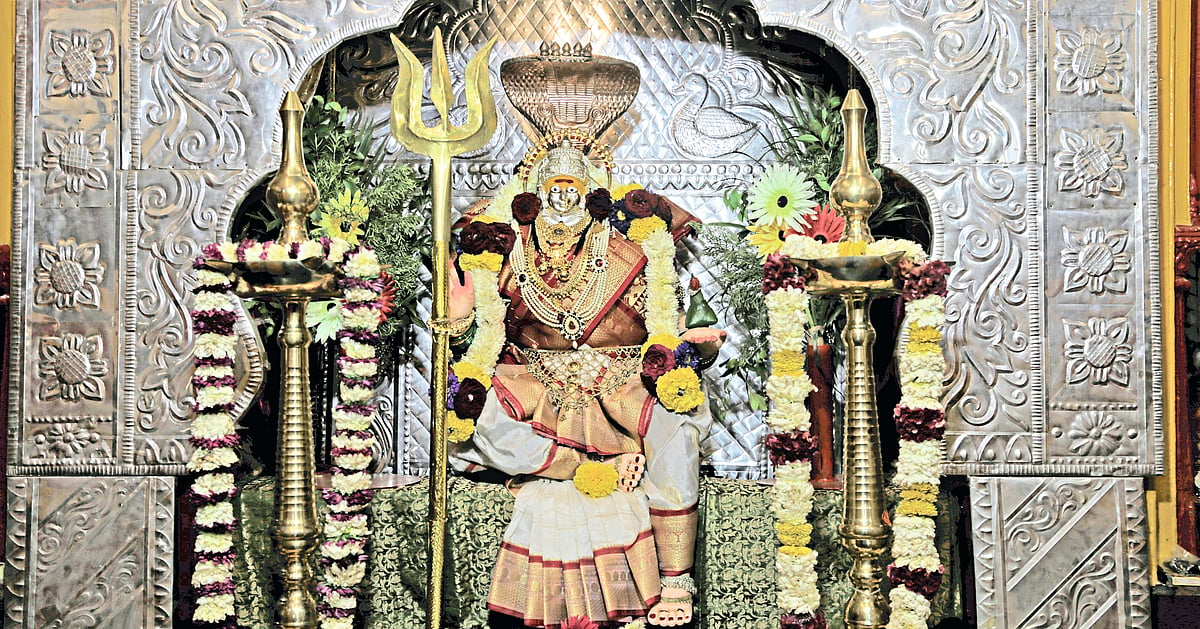
Shaktipeeth
Bhadrakali Shaktipeeth Nashik

Upa Shaktipeeth
Shree Saptashrungi Nivasini Devi Shaktipeeth
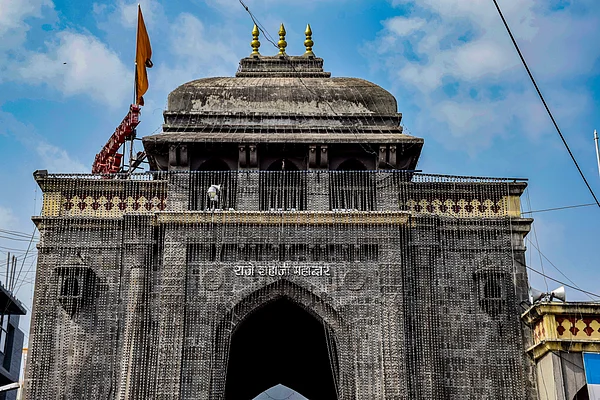
Shaktipeeth
Shri Tuljabhavani Temple

Shaktipeeth
Sri Umakotilingeswara Swamy Sri Sitarama Swamy Temple - Shakti Peetha
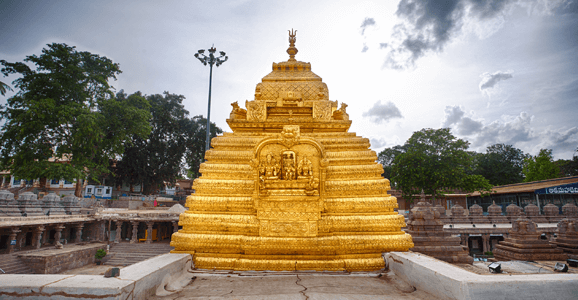
Shaktipeeth
Shri Mallikarjuna Jyotirlinga Temple

Shaktipeeth
Shri Puruhutika Shaktipeeth, Pithapuram

Samshaktipeeth
Draksharama Sri Manikyambadevi Sametha Sri Bheemeswara swami temple (Manikyamba Shaktipeeth)
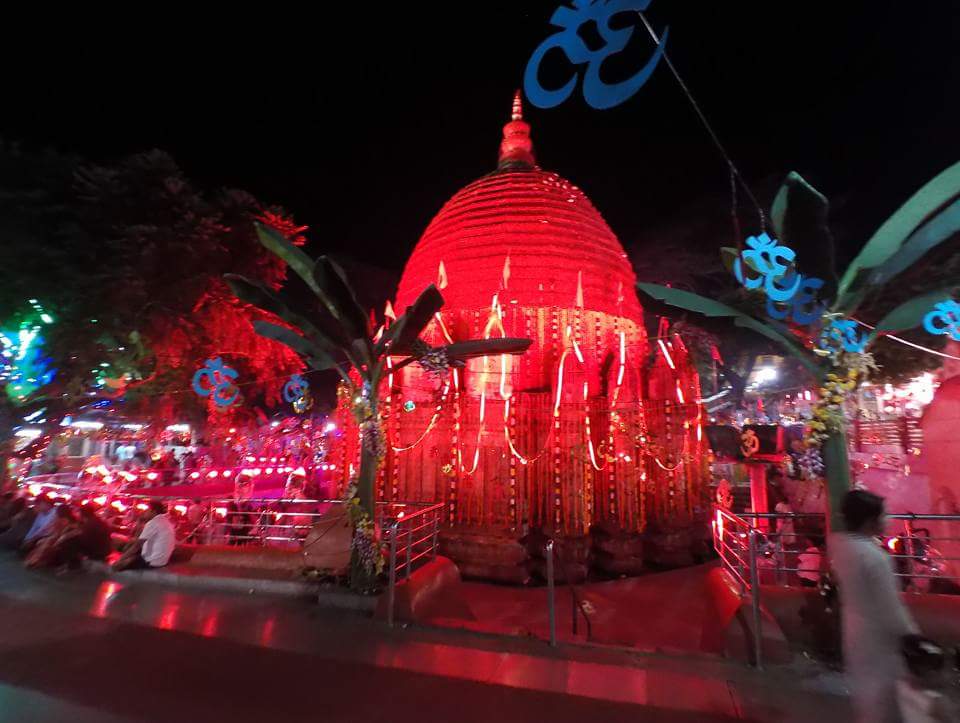
Shaktipeeth
Maa Kamakhya Temple