
Samshaktipeeth
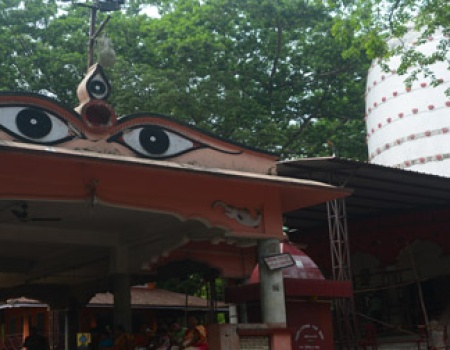
Mahamaya Dham
MAA MAHAMAYA MANDIR,BAGRIBARI
- Devi
- Mahamaya
- Bhairava
- —
- Place
- Bogribari, Assam, India
Shaktipeeth
Maa Kamakhya Temple
Kamakhya, Guwahati, Assam 781010
Kamakhya Temple crowns Nilachal Hill in Guwahati and is one of South Asia’s foremost centres of Shakta Tantra. Its underground sanctum contains no conventional idol; worship centres on a natural yoni-shaped rock fissure fed by a spring. Ambubachi Mela is its most famous festival.
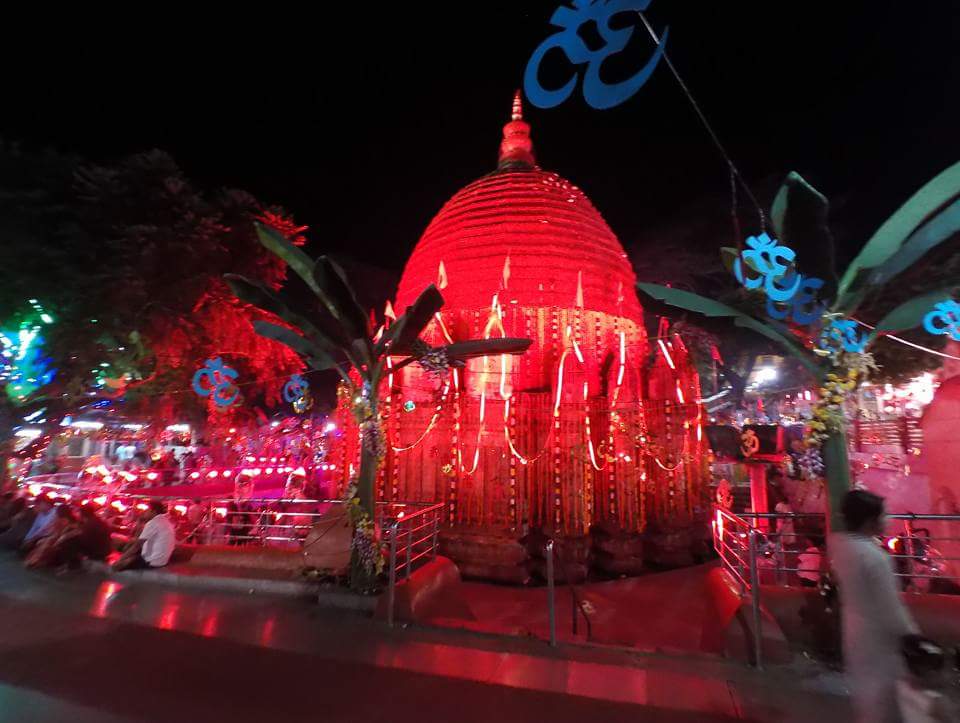
Maa Kamakhya Temple stands on Nilachal Hill in Guwahati, Assam, and is one of South Asia’s foremost centres of Shakta worship and Tantra. The temple’s official administration describes Kamakhya as one of the oldest and most sacred Shakti Peethas. Unlike temples centred on a conventional anthropomorphic image, the principal sanctum is associated with the yoni-mandala, represented by a natural rock fissure that is kept moist by an underground spring.
In the classical Kamarupa or Kamagiri tradition followed by this database, the fallen element is Sati’s mahamudra, understood as the yoni. The presiding goddess is Kamakhya. D. C. Sircar records Umananda as Bhairava, while other transmitted traditions use the names Shivananda, Ramananda or Ravanananda. These variants belong to different textual lineages and should remain visible rather than being reduced to one modern form.
Kamakhya is closely connected with the group of ten Mahavidyas, whose shrines are distributed across Nilachal Hill. Its most distinctive annual observance is the Ambubachi Mela, which honours the goddess’s generative and fertile power. The main sanctum closes temporarily and later reopens ceremonially, drawing large numbers of pilgrims and ascetics. Durga Puja and Manasa Puja are also important. Kamakhya’s living ritual traditions make it a foundational centre of Goddess worship in northeastern India.
At Kamarupa, the classical tradition associates the Peetha with Sati’s mahamudra, understood as the yoni. The goddess is Kamakhya, while D. C. Sircar records Umananda as Bhairava and other traditions give Shivananda, Ramananda or Ravanananda. The sanctum worships a natural rock fissure in temple worship.
1. For the dteails of Peetha, Body parts, Devi, Bhairava we primarily used the book The Shakta Pithas by Dr. Dines Chandra Sircar (D. C. Sircar), and secondaryly used the book 108 Divya Shaktipeethas by Banwari Lal Kanchhal. 2. This Shaktipeeth is mentioned in the list of the Pithas (Mahapithas) in the Shivacharita
Samshaktipeeth
MAA MAHAMAYA MANDIR,BAGRIBARI

Upa Shaktipeeth
DIRGHESWARI TEMPLE

Upa Shaktipeeth
Sri Sri Ugratara Devalaya

Shaktipeeth
Sri Umakotilingeswara Swamy Sri Sitarama Swamy Temple - Shakti Peetha
Shaktipeeth
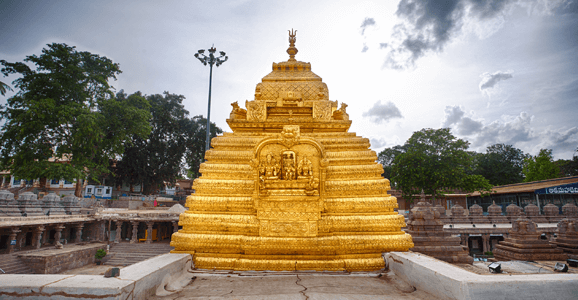
Shri Mallikarjuna Jyotirlinga Temple

Shaktipeeth
Shri Puruhutika Shaktipeeth, Pithapuram

Samshaktipeeth
Draksharama Sri Manikyambadevi Sametha Sri Bheemeswara swami temple (Manikyamba Shaktipeeth)

Shaktipeeth
Guhyeshwari Shaktipeeth Temple

Upa Shaktipeeth
Raktakali temple