
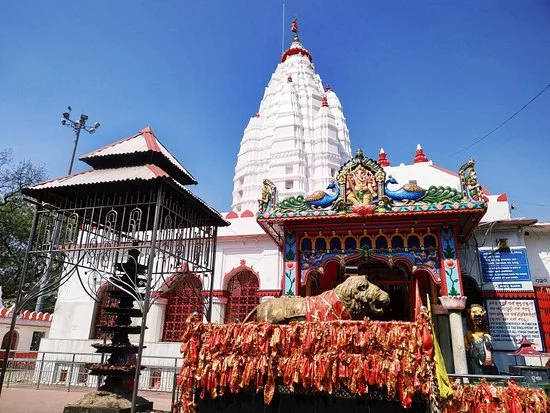
Samshaktipeeth
Samaleswari
Maa Samaleswari Temple
- Devi
- Samaleswari
- Bhairava
- —
- Place
- Khetrajpur, Odisha, India
Samshaktipeeth
Maa Biraja Temple, Jajpur
Trilochanpada, Jajpur, Odisha 755007
Maa Biraja Temple is an ancient Shakti shrine in Jajpur, also known as Viraja Kshetra and Nabhi Gaya. The two-armed goddess is depicted defeating Mahishasura, and the temple is central to Odisha's Devi traditions.
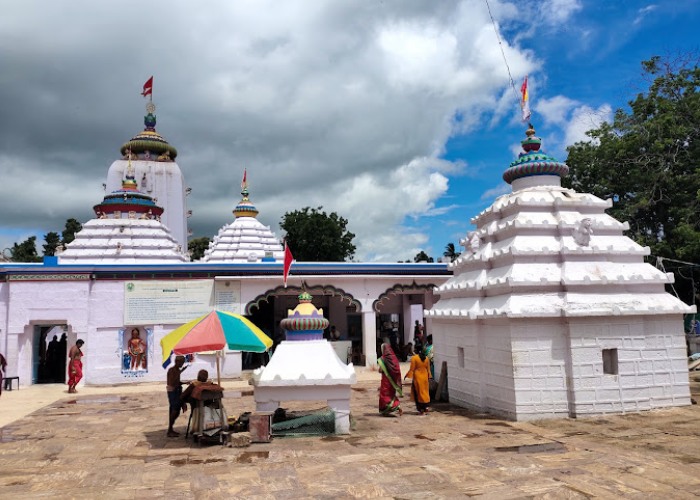
Maa Biraja Temple is located in Jajpur, Odisha, an ancient pilgrimage centre known as Biraja Kshetra or Viraja Kshetra. The presiding goddess, worshipped as Biraja or Girija, appears in a distinctive two-armed form defeating Mahishasura. Odisha Tourism recognizes the temple as one of the major Shakti Peethas and connects Jajpur with the sacred name Nabhi Gaya. The complex also contains numerous Shaiva shrines and a sacred well where pilgrims perform ancestral rites, linking goddess worship with the ritual geography of Gaya traditions.
According to the Virajakshetra or Utkala Peetha tradition, Sati’s navel, or nabhi, fell here. The database records Vimala as the Devi and Jagannatha, with Jaya as a variant, as Bhairava. Other traditions identify the presiding goddess directly as Viraja or Girija. These differences reflect variations in textual pairing and should remain visible rather than forcing all names into one form.
Sharadiya Durga Puja is the temple’s principal annual observance and includes an extended ritual cycle. The Simhadhwaja Ratha Yatra, named for its lion-bannered chariot, is a distinctive festival associated with Biraja during the Durga Puja period. Daily Tantric and Agamic worship continues throughout the year. The temple’s importance combines Shakti Peetha belief, Nabhi Gaya ancestral rites, Odisha’s temple heritage and the powerful Mahishasuramardini image of Biraja.
Virajakshetra or Utkala tradition associates Sati's navel, nabhi, with Jajpur. Vimala is named in the sheet as the Devi, with Jagannatha or Jaya as Bhairava variants, while the temple deity is worshipped as Biraja or Girija. Textual traditions differ in their pairing of names. Accounts vary by source.
1. For the dteails of Peetha, Body parts, Devi, Bhairava we primarily used the book The Shakta Pithas by Dr. Dines Chandra Sircar (D. C. Sircar), and secondaryly used the book 108 Divya Shaktipeethas by Banwari Lal Kanchhal. 2. This Shaktipeeth is mentioned in the list of the Pithas (Mahapithas) in the Shivacharita. 3. Banwari Lal Kanchhal, in his book 108 Divya Shaktipeethas, identifies this temple/place as a Samshaktipeeth. However, D. C. Sircar, in The Shakta Pithas, lists it as a Shakti Peetha, referring to the list of Pithas (Mahapithas) mentioned in the Shivacharita.
Samshaktipeeth
Maa Samaleswari Temple
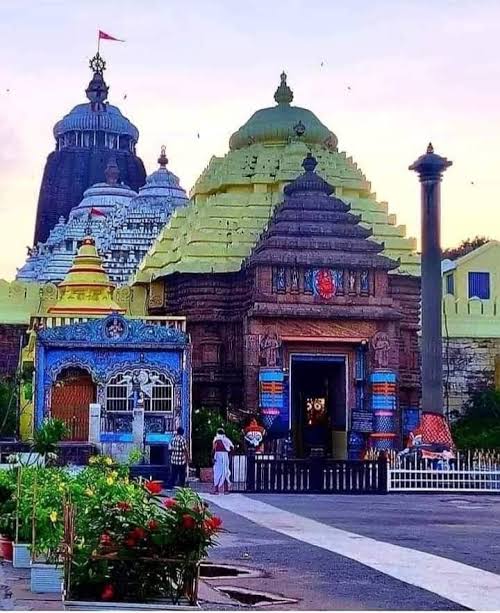
Upa Shaktipeeth
Shri Vimala Shakti Peetha Temple, Puri
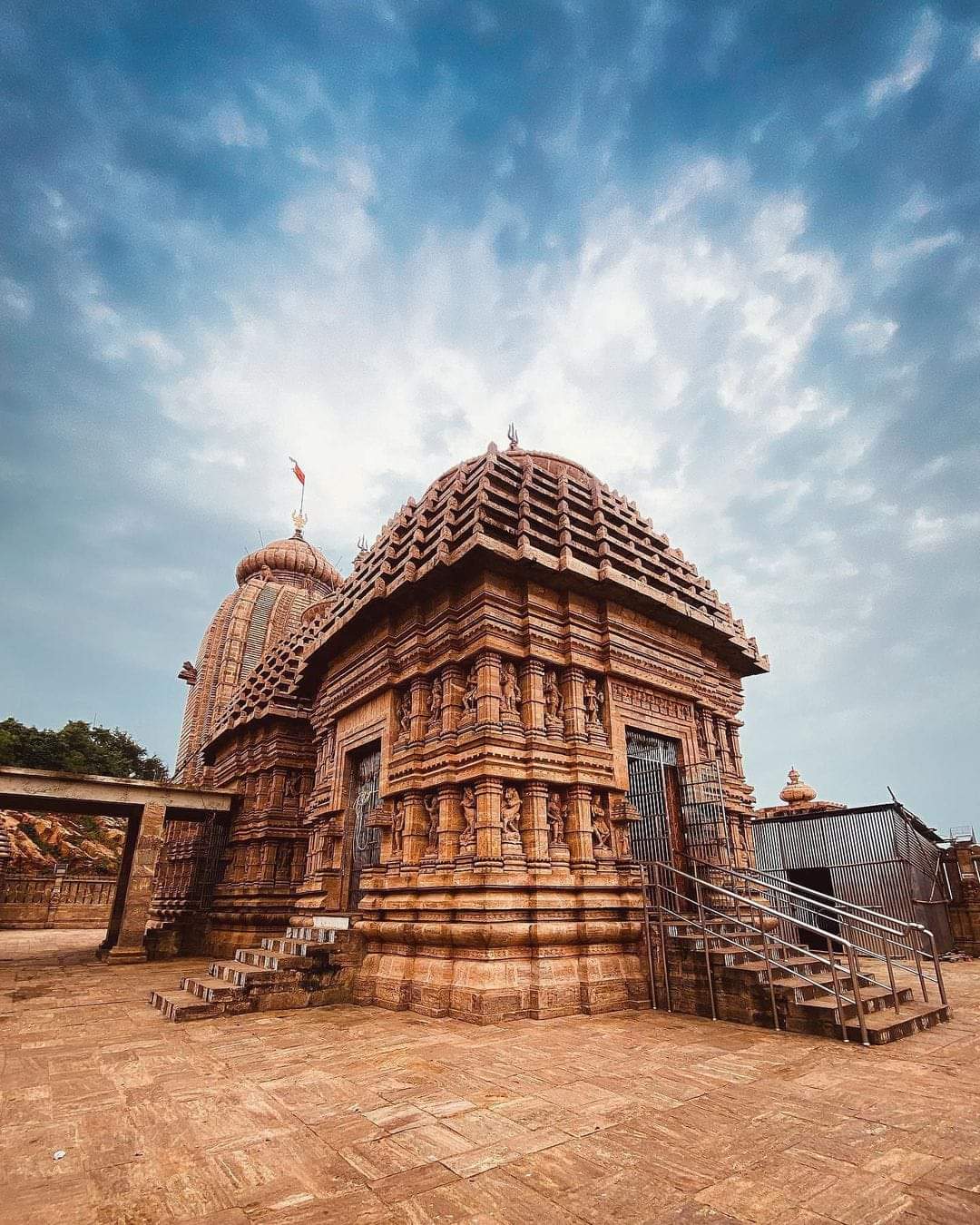
Shaktipeeth
Maa Tara Tarini Temple

Shaktipeeth
Sri Umakotilingeswara Swamy Sri Sitarama Swamy Temple - Shakti Peetha
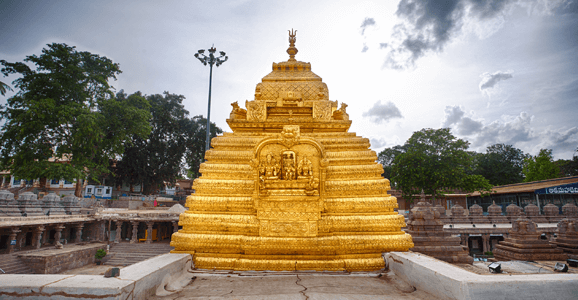
Shaktipeeth
Shri Mallikarjuna Jyotirlinga Temple

Shaktipeeth
Shri Puruhutika Shaktipeeth, Pithapuram

Samshaktipeeth
Draksharama Sri Manikyambadevi Sametha Sri Bheemeswara swami temple (Manikyamba Shaktipeeth)
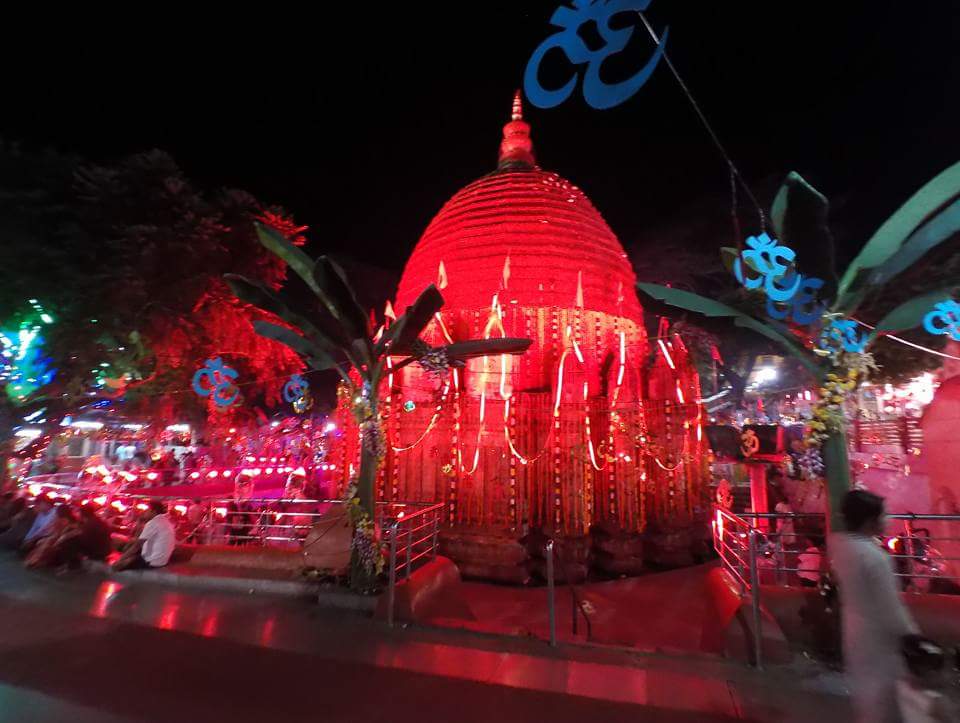
Shaktipeeth
Maa Kamakhya Temple
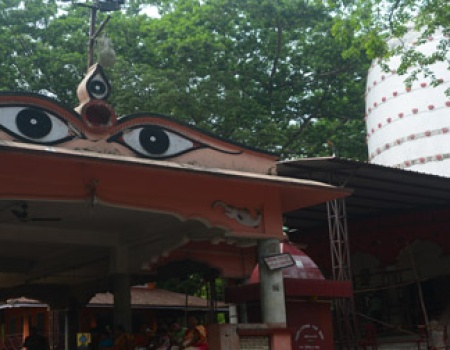
Samshaktipeeth
MAA MAHAMAYA MANDIR,BAGRIBARI