

Upa Shaktipeeth
Raktakali
Raktakali temple
- Devi
- Raktakali
- Bhairava
- —
- Place
- Raktakali, Bagmati Province, Nepal
Shaktipeeth
Guhyeshwari Shaktipeeth Temple
Kathmandu 44621, Nepal
Guhyeshwari Temple is a major Tantric Shakta shrine on the Bagmati River near Pashupatinath in Kathmandu. Renovated by King Pratap Malla, it is sacred to both Hindu Shakta practitioners and Vajrayana Buddhists. Its local body-part tradition differs from the Nepala Peetha account in Peethanirnaya.

Guhyeshwari Temple is a major Tantric Shakta shrine on the southern bank of the Bagmati River in Kathmandu, close to the Pashupatinath temple complex. The present sacred structure reflects Newar architectural and ritual traditions, and an inscription connects its seventeenth-century renovation with King Pratap Malla. Daily worship is maintained through established priestly lineages, and the temple is respected by Hindu Shakta practitioners as well as Vajrayana Buddhist communities.
Two distinct Peetha traditions must be separated. The Peethanirnaya account for Nepala associates Sati’s knees, or janu, with the goddess Mahamaya and Bhairava Kapali. Guhyeshwari’s own local textual tradition instead links the temple with Sati’s guhya or guda and names the goddess Guhyeshwari or Guhyakali; some sources connect her Bhairava with Pashupati. The knee tradition should therefore not be presented as an uncontested body-part claim for this exact temple.
The name Guhyeshwari combines ideas of the hidden or secret with the sovereign goddess, fitting the shrine’s strong Tantric character. Dashain and Navaratri bring intensive worship and large gatherings. Guhyeshwari Jatra is a temple-specific procession rooted in the ritual culture of the Kathmandu Valley. Its proximity to Pashupatinath creates an important combined Shiva–Shakti pilgrimage circuit along the Bagmati.
The Peethanirnaya tradition for Nepala associates both knees, janu, with Mahamaya and Bhairava Kapali. Guhyeshwari Temple has a separate local tradition linking it to Sati’s guhya or guda. These are distinct identifications, so the knee tradition should not be presented as an uncontested claim for this exact temple.
1. For the dteails of Peetha, Body parts, Devi, Bhairava we primarily used the book The Shakta Pithas by Dr. Dines Chandra Sircar (D. C. Sircar), and secondaryly used the book 108 Divya Shaktipeethas by Banwari Lal Kanchhal. 2. This Shaktipeeth is mentioned in the list of the Pithas (Mahapithas) in the Shivacharita
Upa Shaktipeeth
Raktakali temple

Shaktipeeth
Sri Umakotilingeswara Swamy Sri Sitarama Swamy Temple - Shakti Peetha
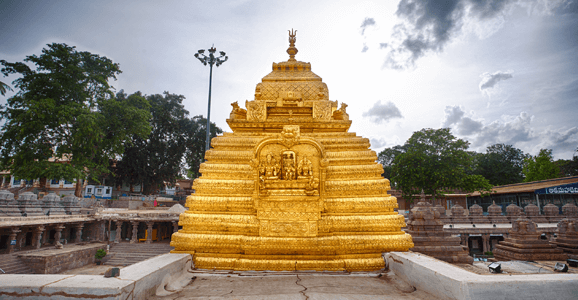
Shaktipeeth
Shri Mallikarjuna Jyotirlinga Temple

Shaktipeeth
Shri Puruhutika Shaktipeeth, Pithapuram

Samshaktipeeth
Draksharama Sri Manikyambadevi Sametha Sri Bheemeswara swami temple (Manikyamba Shaktipeeth)
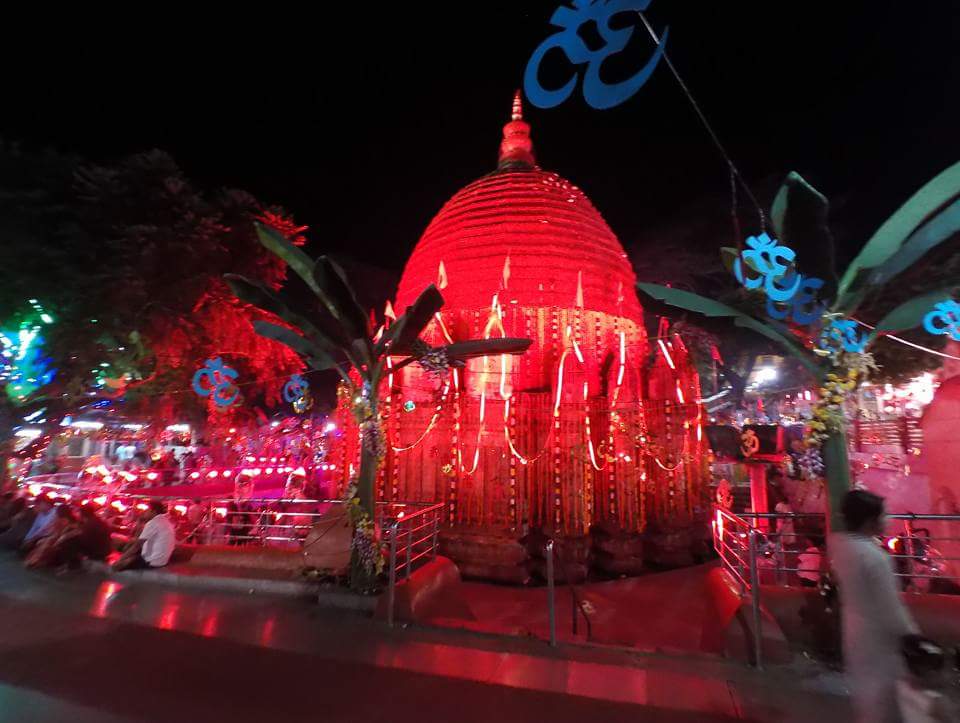
Shaktipeeth
Maa Kamakhya Temple
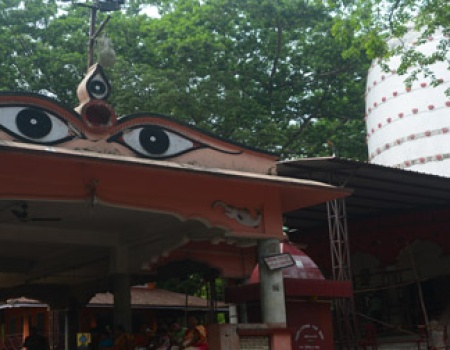
Samshaktipeeth
MAA MAHAMAYA MANDIR,BAGRIBARI

Upa Shaktipeeth
DIRGHESWARI TEMPLE

Upa Shaktipeeth
Sri Sri Ugratara Devalaya