
Shaktipeeth
Yugadya
Shaktipeeth Shri Jogadya Temple (Jogaadya Shaktipeeth)
- Devi
- Yugadya
- Bhairava
- Kshirakhanda
- Place
- Kshirgram, West Bengal, India
Shaktipeeth
Fullara Maa Satipeeth Temple
West Bengal 731303
Fullara Temple near Labhpur is widely identified with Attahasa Shakti Peetha, where Sati's lip is believed to have fallen. The quiet shrine and adjacent sacred pond form part of Birbhum's dense Shakti pilgrimage landscape.

Fullara Maa Satipeeth Temple near Labhpur is widely identified with Attahasa Shakti Peetha in Birbhum District, West Bengal. The shrine is dedicated to Goddess Phullara and includes a sacred pond that forms part of the local devotional landscape. Its relatively quiet rural setting contrasts with some of Bengal’s larger pilgrimage centres, yet it remains an important stop in Birbhum’s Shakti circuit.
The Peetha is recorded as Attahasa. In the tradition followed by this database, Sati’s lip, or oshtha, fell here. The Goddess is Phullara and the corresponding Bhairava is Vishvesha. A competing Attahasa identification exists near Ketugram in Purba Bardhaman, so the Labhpur temple should be described as the widely accepted Birbhum claimant rather than the only undisputed location. This qualification preserves the living tradition while acknowledging a genuine geographical difference among sources.
Navratri and Kali Puja are the main periods of special Goddess worship, although exact local programmes should be checked annually. Pilgrims often combine Fullara with Tarapith, Bakreswar, Nalateswari, Nandikeshwari and Kankalitala. Birbhum district includes Fullara among its recognised religious attractions. The temple’s importance comes from its Phullara worship, sacred pond and continuing association with the Attahasa narrative, making it a distinctive rural Shakti destination within West Bengal.
Attahasa tradition associates Sati's lip, oshtha, with the Peetha and names Phullara with Bhairava Vishvesha. Fullara Temple at Labhpur is widely identified with this tradition, though Attahasa has another competing location at Ketugram. The modern site should therefore be described with qualification.
1. For the dteails of Peetha, Body parts, Devi, Bhairava we primarily used the book The Shakta Pithas by Dr. Dines Chandra Sircar (D. C. Sircar), and secondaryly used the book 108 Divya Shaktipeethas by Banwari Lal Kanchhal. 2. This Shakti Peetha is listed among the 26 Upapithas mentioned in the Shivacharita. 3. Banwari Lal Kanchhal, in his book 108 Divya Shaktipeethas, identifies this temple/place as a Shakti Peetha. However, D. C. Sircar, in The Shakta Pithas, lists this place as an Upapitha, referring to the list of 26 Upapithas in the Shivacharita.
Shaktipeeth
Shaktipeeth Shri Jogadya Temple (Jogaadya Shaktipeeth)
Shaktipeeth
Bakreswar Temple (Mahishmardini Shakti Peeth)

Shaktipeeth
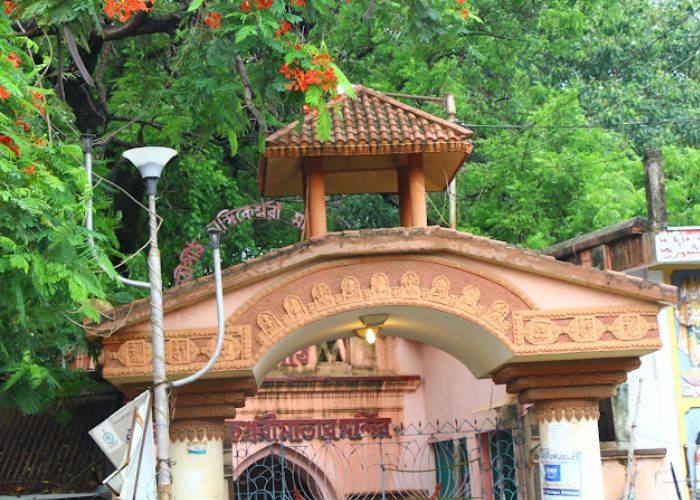
Kalika Shaktipeeth Shri Nalateswari Temple, Nalhati
Shaktipeeth
Nandikeshwari Temple - Shakti Peetha

Shaktipeeth
Tamluk Bargabhima Mandir
Shaktipeeth
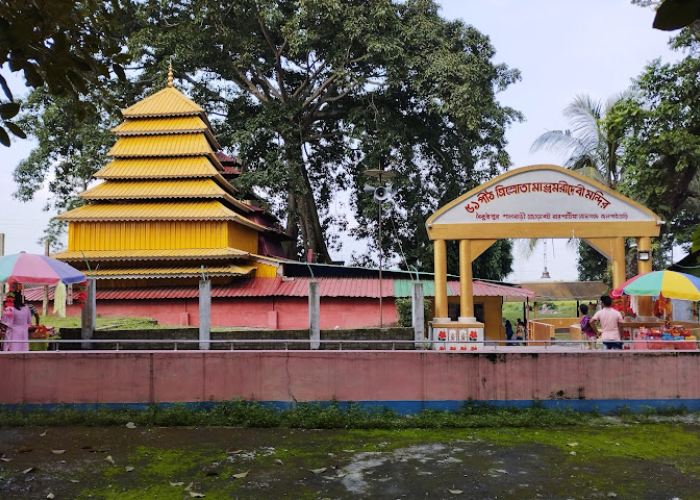
Shree Trishrota Maa Bhramoree Debir Shaktipeeth Temple, Bodaganj
Shaktipeeth
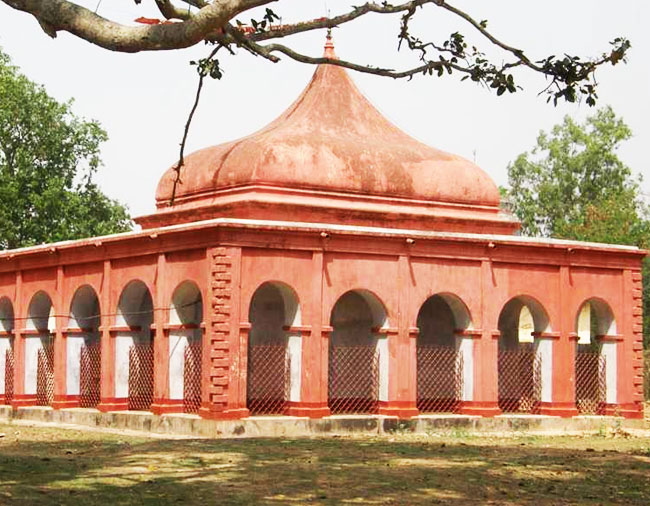
Shree Kiriteswari Shaktipeeth Temple
Shaktipeeth
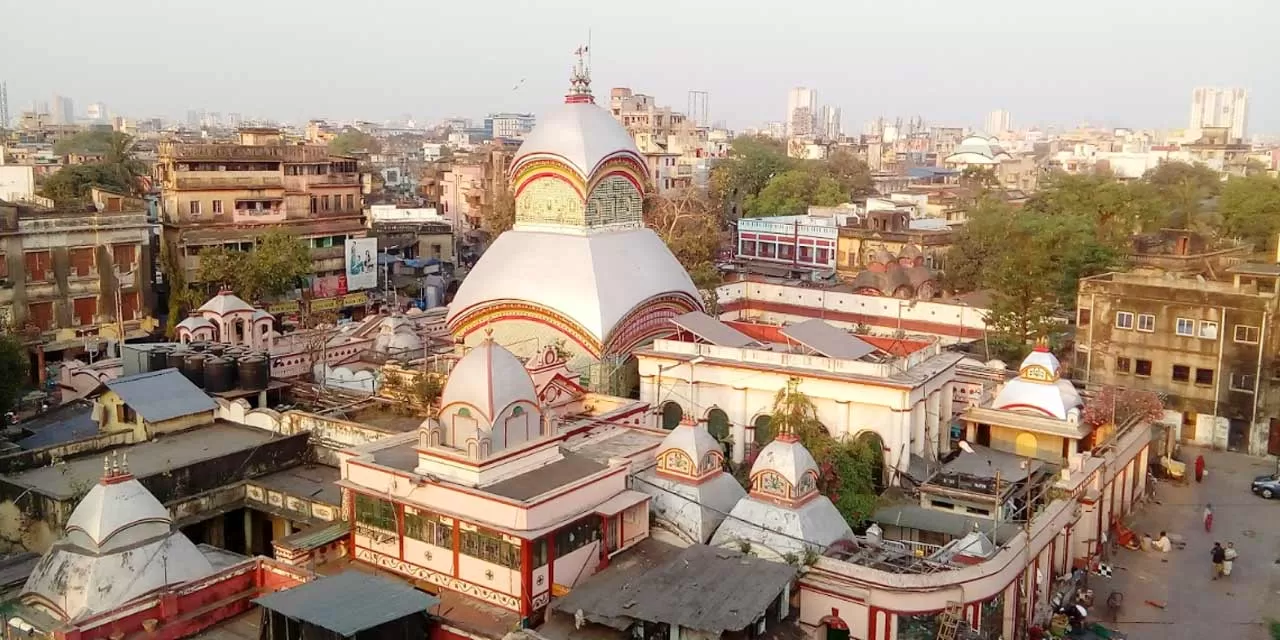
Kalighat Kali Temple

Shaktipeeth
Shri Bahula Sati Peeth, Ketugram (Bahula Shakthipeeth)