
Shaktipeeth
Yugadya
Shaktipeeth Shri Jogadya Temple (Jogaadya Shaktipeeth)
- Devi
- Yugadya
- Bhairava
- Kshirakhanda
- Place
- Kshirgram, West Bengal, India
Shaktipeeth
Nandikeshwari Temple - Shakti Peetha
165, Mayurakshi Sarani, beside Sainthia, Netaji Pally, Railstation, Sainthia, West Bengal 731234
Nandikeshwari Temple at Sainthia is a major Birbhum Shakti Peetha dedicated to Goddess Nandini. The shrine stands close to the railway station and is traditionally associated with Sati's necklace.
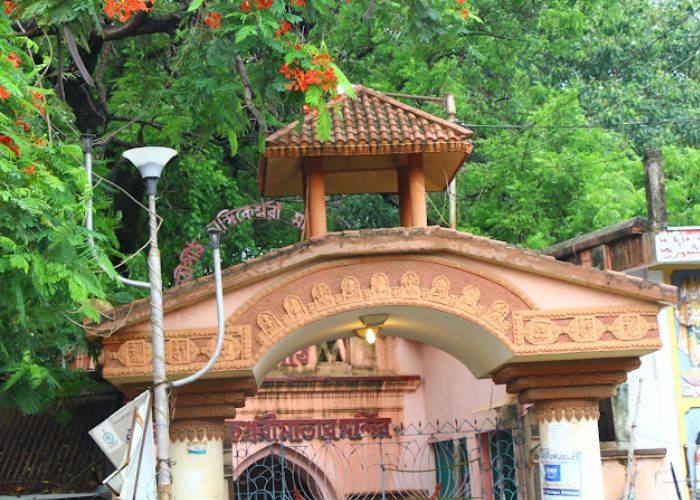
Nandikeshwari Temple stands in Sainthia, close to the railway station, and is one of Birbhum District’s principal Goddess shrines. The deity is worshipped as Nandini or Nandikeshwari, and the temple’s accessible town location makes it a convenient stop within a wider pilgrimage through Birbhum. The district administration includes it among the area’s recognised religious attractions.
The Peetha is recorded as Nandipura. According to the tradition used here, Sati’s necklace, or hara, fell at this place. The Goddess is Nandini and the corresponding Bhairava is Nandikeshvara. Because hara refers to an ornament rather than an anatomical body part, the database and description should state this precisely. Nandikeshwari Temple at Sainthia is the accepted modern identification, although Sanskrit spellings may differ across sources.
Navratri and Kali Puja bring special worship and increased pilgrim attendance. The shrine is often visited with Tarapith, Nalateswari, Bakreswar, Fullara and Kankalitala, creating a practical Birbhum Shakti circuit. Its proximity to Sainthia railway station strengthens its role as an entry point for regional pilgrims. Nandikeshwari’s significance lies in the combination of a clearly preserved ornament tradition, active local worship and convenient access. The temple remains an important link in Bengal’s network of Shakti Peethas and in Birbhum’s contemporary religious life.
Nandipura tradition associates Sati's necklace, hara, with the Peetha and names Nandini with Bhairava Nandikeshvara. Nandikeshwari Temple at Sainthia is the accepted modern identification. The Sanskrit term refers to an ornament rather than a body part, so the wording should remain precise. Sources vary.
1. For the dteails of Peetha, Body parts, Devi, Bhairava we primarily used the book The Shakta Pithas by Dr. Dines Chandra Sircar (D. C. Sircar), and secondaryly used the book 108 Divya Shaktipeethas by Banwari Lal Kanchhal. 2. This Shakti Peetha is listed among the 26 Upapithas mentioned in the Shivacharita. 3. Banwari Lal Kanchhal, in his book 108 Divya Shaktipeethas, identifies this temple/place as a Shakti Peetha. However, D. C. Sircar, in The Shakta Pithas, lists this place as an Upapitha, referring to the list of 26 Upapithas in the Shivacharita.
Shaktipeeth
Shaktipeeth Shri Jogadya Temple (Jogaadya Shaktipeeth)
Shaktipeeth
Bakreswar Temple (Mahishmardini Shakti Peeth)

Shaktipeeth
Kalika Shaktipeeth Shri Nalateswari Temple, Nalhati

Shaktipeeth
Fullara Maa Satipeeth Temple

Shaktipeeth
Tamluk Bargabhima Mandir
Shaktipeeth
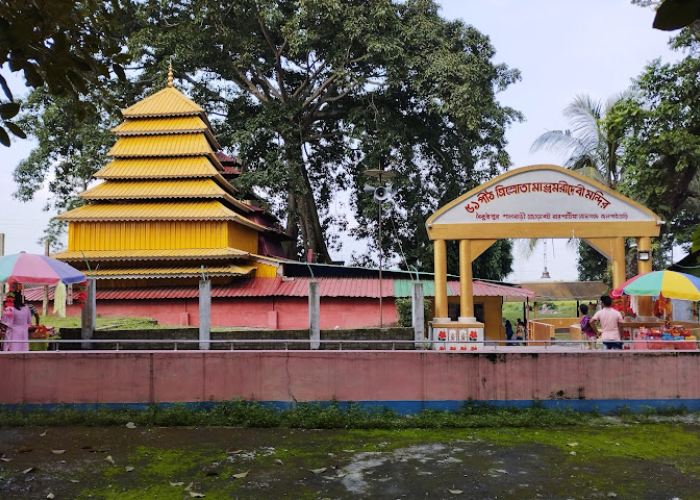
Shree Trishrota Maa Bhramoree Debir Shaktipeeth Temple, Bodaganj
Shaktipeeth
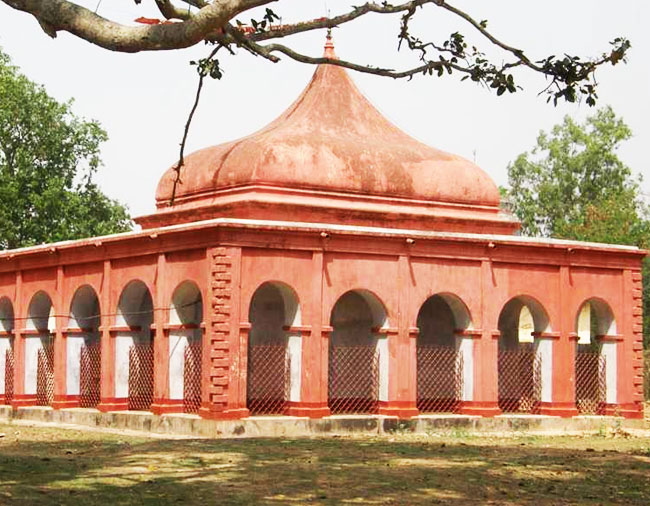
Shree Kiriteswari Shaktipeeth Temple
Shaktipeeth
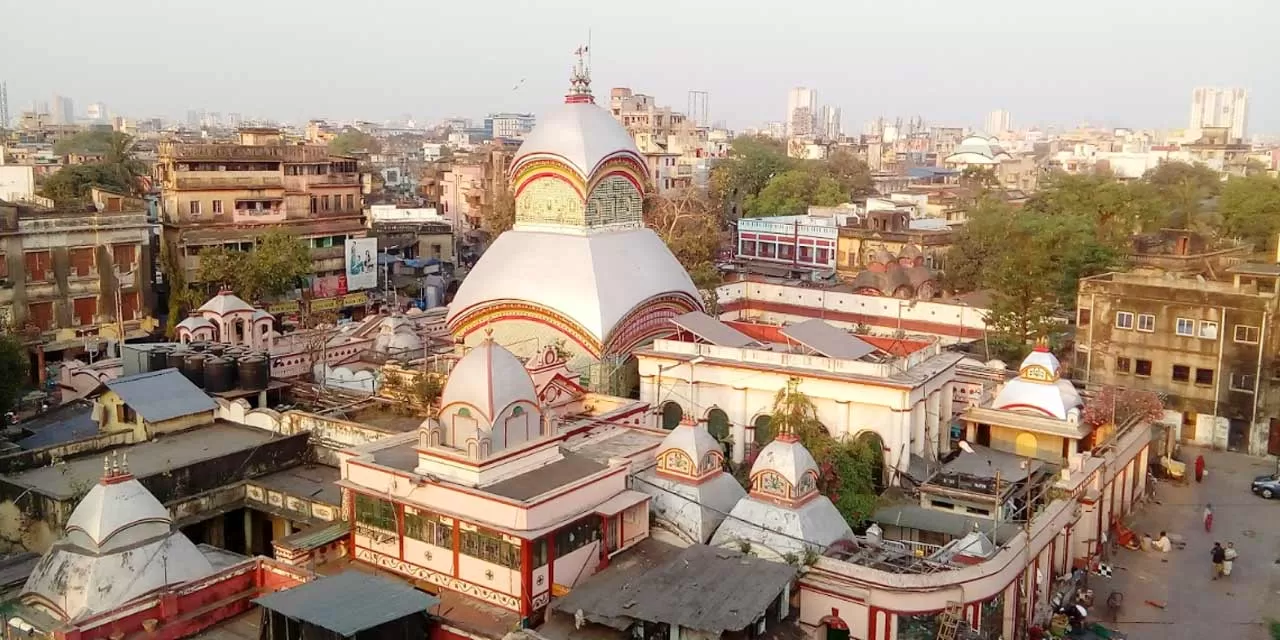
Kalighat Kali Temple

Shaktipeeth
Shri Bahula Sati Peeth, Ketugram (Bahula Shakthipeeth)