
Shaktipeeth
Yugadya
Shaktipeeth Shri Jogadya Temple (Jogaadya Shaktipeeth)
- Devi
- Yugadya
- Bhairava
- Kshirakhanda
- Place
- Kshirgram, West Bengal, India
Shaktipeeth
Shree Kiriteswari Shaktipeeth Temple
Vill- damrul ,p.o- kiriteswari , p.s- nabagram , dist, Berhampore, West Bengal 742104
Kiriteswari Temple at Kiritkona in Murshidabad is one of Bengal's oldest Shakti Peethas. The shrine is associated with Sati's crown and Goddess Bhuvaneshi, and its present structures reflect successive periods of rebuilding.
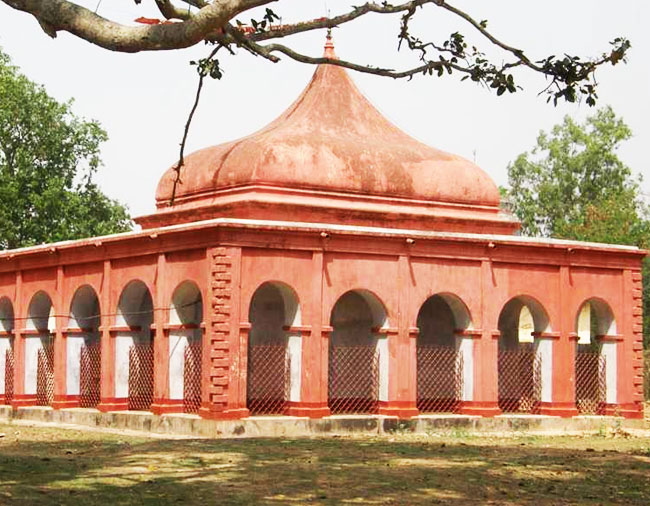
Shree Kiriteswari Shaktipeeth Temple is situated at Kiritkona village under Nabagram in Murshidabad District, West Bengal. Murshidabad district administration recognises it as one of the fifty-one Sati Peethas and as a historic religious site. The present complex reflects successive periods of rebuilding, while the continuing worship preserves the older sacred identity of the location.
The Peetha is recorded as Kirita, with Kiritakona as an alternate geographical name. According to the tradition followed here, Sati’s crown, or kirita, fell at this place. The Goddess is Bhuvaneshi, with Mor appearing as a variant name in the sheet, and the Bhairava is Samvarta; Siddhirupa is also preserved in the associated deity fields. Since the fallen object is a crown rather than a body part, the description should state that distinction clearly. Kiriteswari is the accepted modern identification, although the names vary across lists.
Durga Puja and Navratri are the principal periods of special worship and increased pilgrimage. The temple can be combined with Murshidabad’s historic monuments and other religious sites, giving it a place in both a Shakti circuit and a heritage itinerary. Kiriteswari’s importance lies in the continuity of crown-related Peetha tradition, its documented location at Kiritkona and its survival through multiple phases of reconstruction.
Kirita tradition associates Sati's crown, kirita, with the Peetha and names Bhuvaneshi with Siddhirupa and Bhairava Samvarta. Kiriteswari Temple at Kiritkona is the accepted modern identification. The fallen object is an ornament rather than a body part, so the Sanskrit term should remain clear. Sources vary.
1. For the dteails of Peetha, Body parts, Devi, Bhairava we primarily used the book The Shakta Pithas by Dr. Dines Chandra Sircar (D. C. Sircar), and secondaryly used the book 108 Divya Shaktipeethas by Banwari Lal Kanchhal. 2. This Shakti Peetha is listed among the 26 Upapithas mentioned in the Shivacharita. 3. Banwari Lal Kanchhal, in his book 108 Divya Shaktipeethas, identifies this temple/place as a Shakti Peetha. However, D. C. Sircar, in The Shakta Pithas, lists this place as an Upapitha, referring to the list of 26 Upapithas in the Shivacharita.
Shaktipeeth
Shaktipeeth Shri Jogadya Temple (Jogaadya Shaktipeeth)
Shaktipeeth
Bakreswar Temple (Mahishmardini Shakti Peeth)

Shaktipeeth
Kalika Shaktipeeth Shri Nalateswari Temple, Nalhati

Shaktipeeth
Fullara Maa Satipeeth Temple
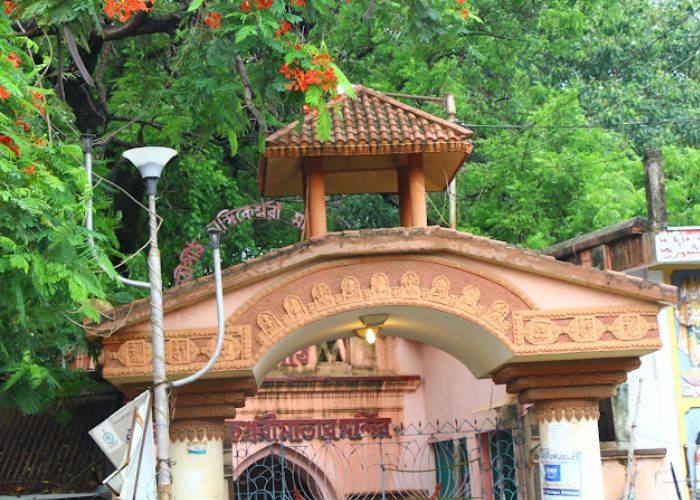
Shaktipeeth
Nandikeshwari Temple - Shakti Peetha

Shaktipeeth
Tamluk Bargabhima Mandir
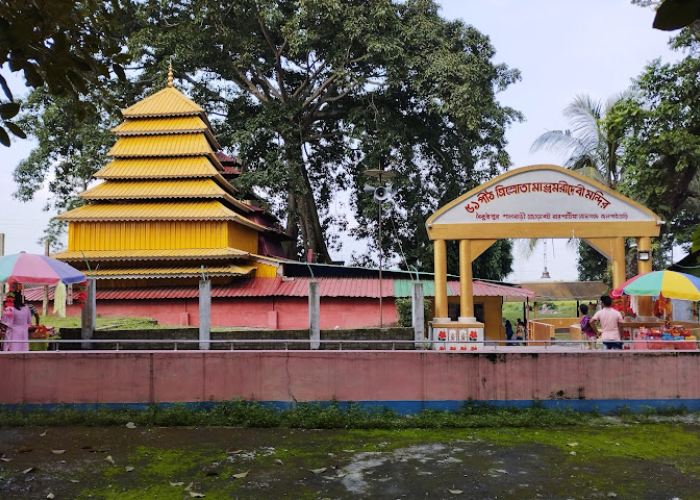
Shaktipeeth
Shree Trishrota Maa Bhramoree Debir Shaktipeeth Temple, Bodaganj
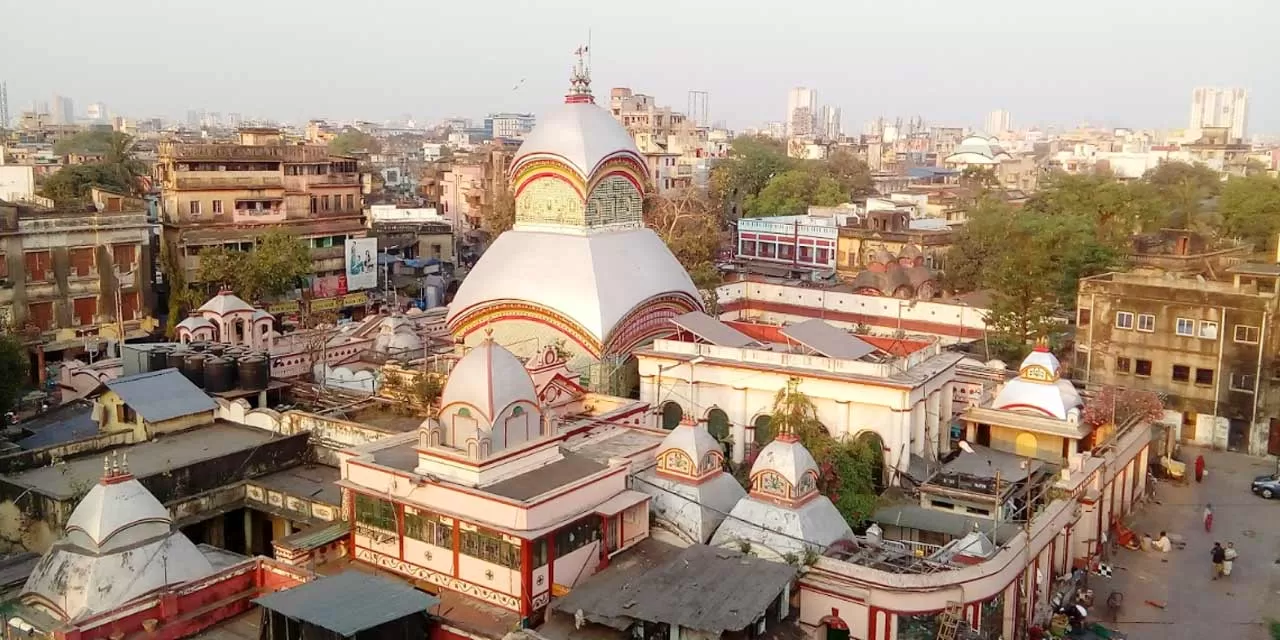
Shaktipeeth
Kalighat Kali Temple

Shaktipeeth
Shri Bahula Sati Peeth, Ketugram (Bahula Shakthipeeth)