

Shaktipeeth
Godavaritira
Sri Umakotilingeswara Swamy Sri Sitarama Swamy Temple - Shakti Peetha
- Devi
- Vishveshi
- Bhairava
- Vishvesha
- Place
- Kotilingala Veedhi, Andhra Pradesh, India
Shaktipeeth
Muktinath Temple
Pilgrimage Site, Muktinath 33100, Nepal
Muktinath is a high-altitude sacred complex in Mustang revered by both Hindus and Buddhists. Shakti traditions identify it with Gandaki Peetha, while the site is also celebrated for Vishnu and Avalokiteshvara worship.
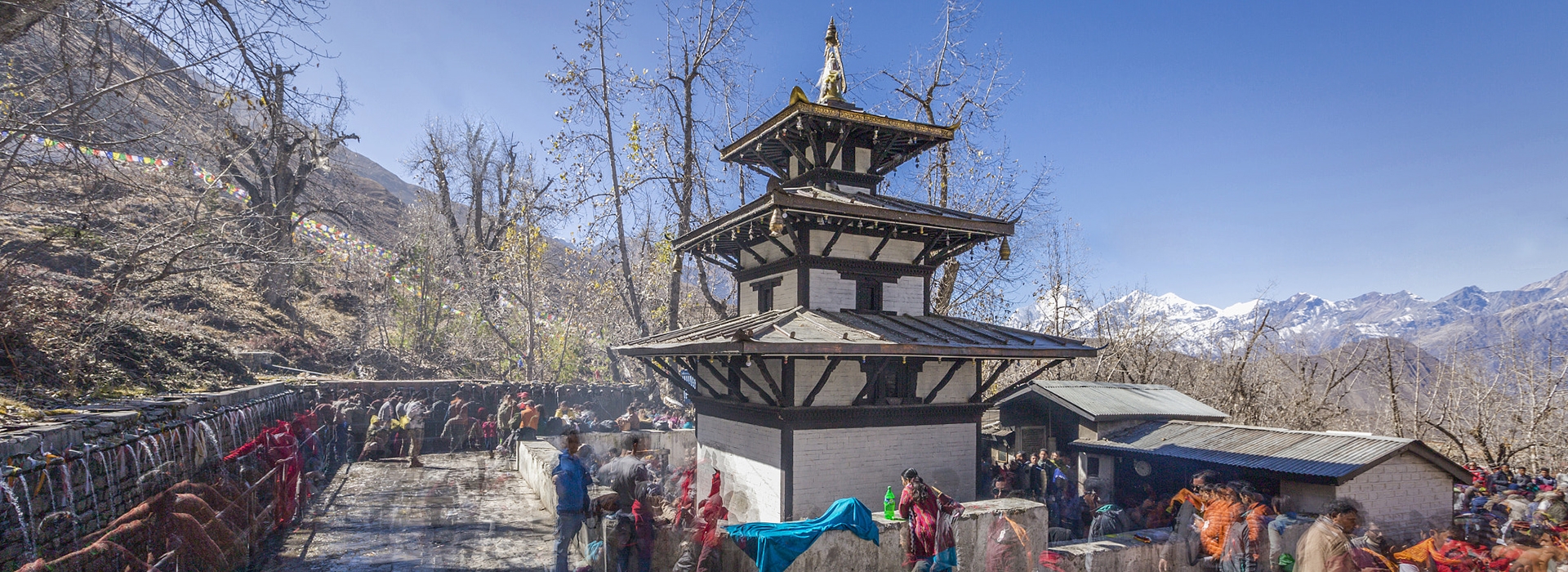
Muktinath is a high-altitude sacred complex in Nepal’s Mustang district, situated on the trans-Himalayan pilgrimage route below the Thorong La region. Hindus revere the principal deity as Vishnu or Sri Muktinath, the lord who grants liberation, while Buddhists worship the same sacred presence as Avalokiteshvara and call the place Chumig Gyatsa, meaning “Hundred Waters.” Nepal Tourism records that the present pagoda-style temple was probably built in the early nineteenth century, although the Vishnu image and the site’s worship are older. Brahmin priests and Buddhist nuns both serve within this shared religious landscape.
In the Shakti Peetha tradition recorded in this database, the site is identified with Gandaki Peetha, where Sati’s cheek, or ganda, is believed to have fallen. The goddess is named Gandaki or Chandi, and the associated Bhairava is Chakrapani, with Jagannatha also appearing in some accounts. Muktinath is a widely accepted modern identification, but Shakti Peetha texts and regional traditions do not all locate Gandaki identically.
Pilgrims bathe beneath the 108 water spouts and visit the nearby eternal-flame shrine. Important occasions include Rishi Tarpani, Ram Navami and Janai Purnima, though access depends strongly on mountain weather. Muktinath’s enduring importance comes from its unusual combination of Vaishnava, Shakta and Tibetan Buddhist devotion in a remote Himalayan setting.
At Gandaki, the tradition associates Sati's cheek, rendered as ganda, with the Peetha and names Gandaki or Chandi with Bhairava Chakrapani or Jagannatha. Muktinath is a widely identified modern shrine, although textual and regional accounts do not all locate the Peetha identically. Accounts vary by source.
1. For the dteails of Peetha, Body parts, Devi, Bhairava we primarily used the book The Shakta Pithas by Dr. Dines Chandra Sircar (D. C. Sircar), and secondaryly used the book 108 Divya Shaktipeethas by Banwari Lal Kanchhal. 2. This Shaktipeeth is mentioned in the list of the Pithas (Mahapithas) in the Shivacharita
Shaktipeeth
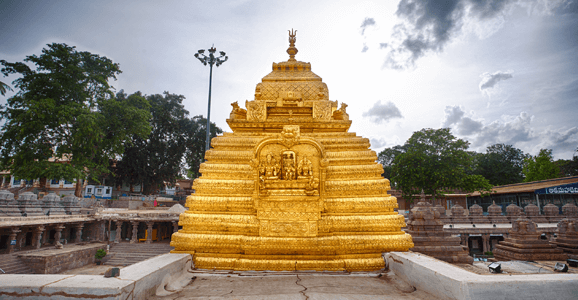
Sri Umakotilingeswara Swamy Sri Sitarama Swamy Temple - Shakti Peetha
Shaktipeeth
Shri Mallikarjuna Jyotirlinga Temple

Shaktipeeth
Shri Puruhutika Shaktipeeth, Pithapuram

Samshaktipeeth
Draksharama Sri Manikyambadevi Sametha Sri Bheemeswara swami temple (Manikyamba Shaktipeeth)
Shaktipeeth
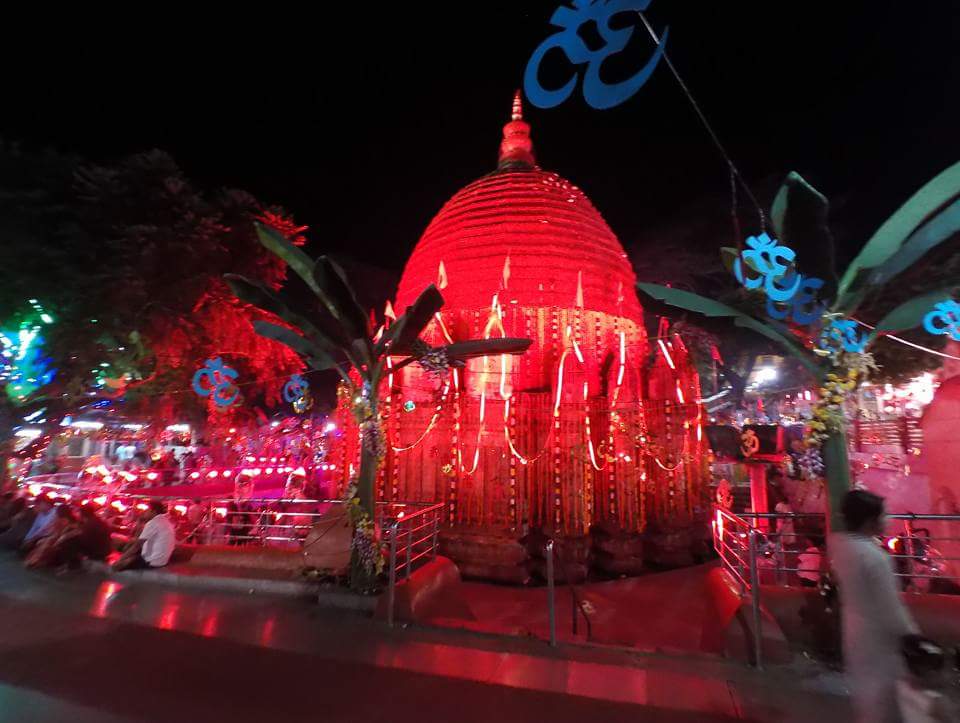
Maa Kamakhya Temple
Samshaktipeeth
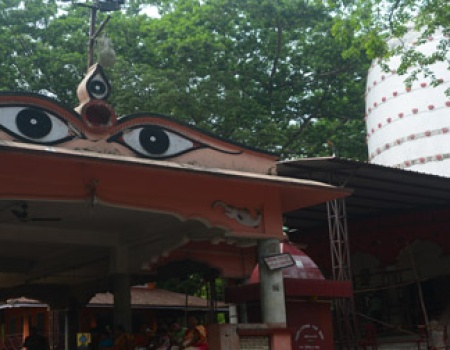
MAA MAHAMAYA MANDIR,BAGRIBARI

Upa Shaktipeeth
DIRGHESWARI TEMPLE

Upa Shaktipeeth
Sri Sri Ugratara Devalaya

Shaktipeeth
Guhyeshwari Shaktipeeth Temple