

Shaktipeeth
Godavaritira
Sri Umakotilingeswara Swamy Sri Sitarama Swamy Temple - Shakti Peetha
- Devi
- Vishveshi
- Bhairava
- Vishvesha
- Place
- Kotilingala Veedhi, Andhra Pradesh, India
Shaktipeeth
Shaktipeeth Shri Hinglaj Mata Mandir
Hingol Balochistan National Park, Road، Asha Pura, Pakistan
Hinglaj Mata Temple is a remote cave shrine beside the Hingol River in Balochistan’s Hingol National Park. Revered as Hingula, Hinglaj Devi or Nani Mandir, it is a major Shakti Peetha and the destination of the annual Hinglaj Yatra, which draws Hindu pilgrims from across Pakistan.

Hinglaj Mata Temple is a remote cave shrine in the Hingol landscape of Balochistan, Pakistan, near the Hingol River and within the wider national-park region. The goddess is known as Hinglaj Mata, Hingula or Nani, and the sanctuary is revered by Hindu communities across Pakistan and beyond. Its natural cave setting and demanding desert approach distinguish it from monumental temple complexes elsewhere in the Shakti Peetha tradition.
In the classical Hingula tradition followed by this database, the fallen part is Sati’s brahmarandhra, the crown opening at the top of the head. The goddess is named Kottari, with variants Kottavi and Kottarisha, and the accompanying Bhairava is Bhimalocana. Some modern retellings describe the body part more generally as the forehead. These variants should be acknowledged rather than presented as identical anatomical claims.
The annual Hinglaj Yatra is the shrine’s defining pilgrimage and one of Pakistan’s largest Hindu religious gatherings. Pilgrims travel through Balochistan and visit a sequence of sacred stopping places before reaching the cave. The journey commonly includes Chandragup, a mud-volcano site where ritual observances are performed. Navaratri is also honoured. Hinglaj’s importance lies not only in its Peetha identity but also in its continuing role as a shared focus of devotion, cultural memory and pilgrimage for Pakistan’s Hindu communities.
At Hingula, the classical Peetha tradition associates Sati’s brahmarandhra, the crown opening at the top of the head, with the shrine. The goddess is Kottari, also called Kottavi or Kottarisha, and Bhairava is Bhimalocana. Some modern accounts instead describe the fallen part more generally as the forehead.
1. For the dteails of Peetha, Body parts, Devi, Bhairava we primarily used the book The Shakta Pithas by Dr. Dines Chandra Sircar (D. C. Sircar), and secondaryly used the book 108 Divya Shaktipeethas by Banwari Lal Kanchhal. 2. This Shaktipeeth is mentioned in the list of the Pithas (Mahapithas) in the Shivacharita
Shaktipeeth
Sri Umakotilingeswara Swamy Sri Sitarama Swamy Temple - Shakti Peetha
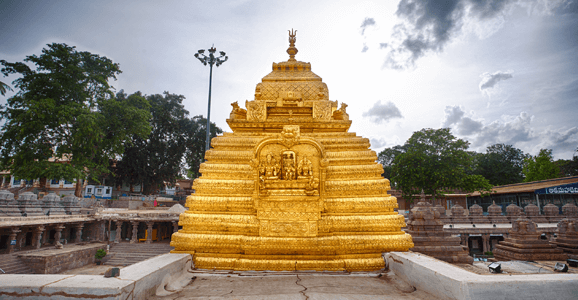
Shaktipeeth
Shri Mallikarjuna Jyotirlinga Temple

Shaktipeeth
Shri Puruhutika Shaktipeeth, Pithapuram

Samshaktipeeth
Draksharama Sri Manikyambadevi Sametha Sri Bheemeswara swami temple (Manikyamba Shaktipeeth)
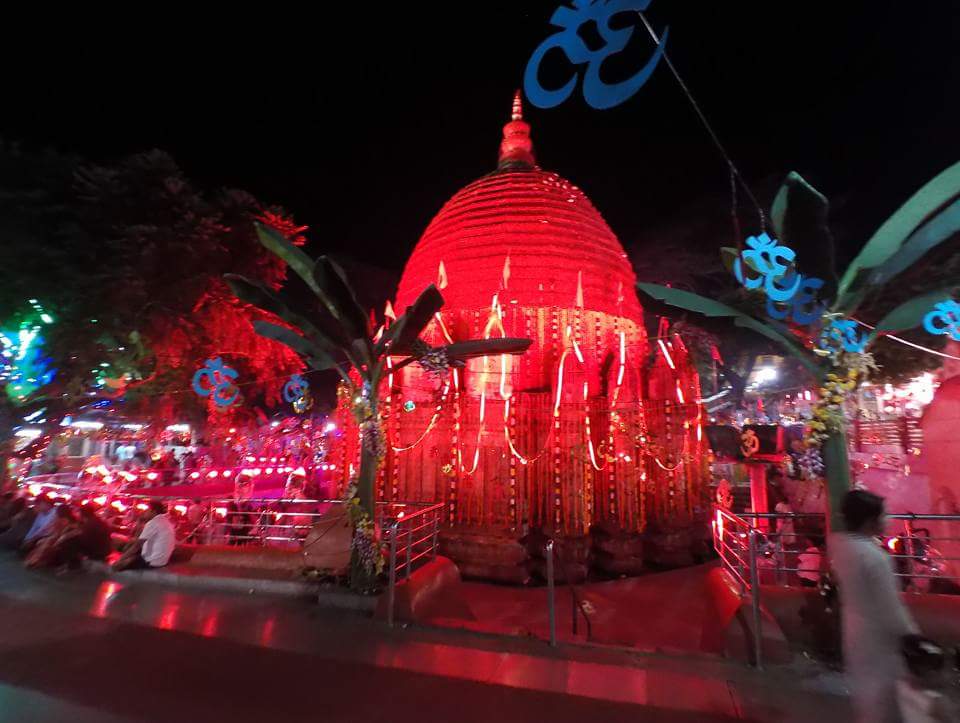
Shaktipeeth
Maa Kamakhya Temple
Samshaktipeeth
MAA MAHAMAYA MANDIR,BAGRIBARI

Upa Shaktipeeth
DIRGHESWARI TEMPLE

Upa Shaktipeeth
Sri Sri Ugratara Devalaya

Shaktipeeth
Guhyeshwari Shaktipeeth Temple