

Shaktipeeth
Jalandhara Shakti Peetha (Kangra)
Shaktipeeth Shri Bajreshwari Devi Temple
- Devi
- Brajeshwari Devi (Vajreshwari / Jayadurga)
- Bhairava
- Abhiru (Bhishan)
- Place
- Haripur, Himachal Pradesh, India
Shaktipeeth
Shri Jwalamukhi Mata Shaktipeeth
Kohala, Jawalamukhi, Himachal Pradesh 176031
Jwala Ji Temple at Jawalamukhi is famous for natural flames worshipped as manifestations of the goddess. It is one of Himachal Pradesh's best-known Shakti Peethas and attracts pilgrims year-round.
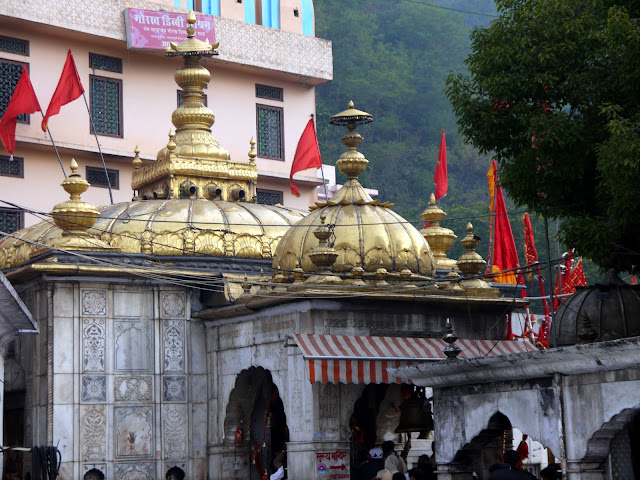
Shri Jwalamukhi Mata Temple, commonly called Jwala Ji, is located at Jawalamukhi in Kangra district, Himachal Pradesh. The shrine is famous for natural flames that emerge through fissures in the rock and are worshipped as direct manifestations of the goddess. Unlike temples centred on a sculpted image, the sacred flames form the principal focus of darshan. Traditionally, nine flames are individually honoured under different goddess names, making the temple one of the most distinctive Shakta sanctuaries in India.
The Jwalamukhi Peetha tradition associates the site with Sati’s tongue, or jihva. The goddess is named Siddhida in classical-style Peetha lists and is popularly worshipped as Jwala Ji or Jwalamukhi. The corresponding Bhairava is Unmatta. Names and spellings vary between textual and regional accounts, but the tongue tradition and the worship of the flames are deeply established in the identity of the shrine.
Chaitra Navratri and Sharad Navratri are the largest festival periods, attracting substantial pilgrimage and special worship. Daily offerings are made to the flames, while devotional music, aarti and temple rituals continue throughout the year. Jwala Ji forms an essential part of Himachal Pradesh’s major Devi circuit, often combined with Bajreshwari, Chamunda, Chintpurni and Naina Devi. Its enduring appeal comes from the rare natural form through which the goddess is worshipped and its strong Shakti Peetha tradition.
Jwalamukhi tradition associates Sati's tongue, jihva, with the Peetha and names the goddess Siddhida, commonly worshipped as Jwala Ji, with Bhairava Unmatta. The shrine's natural flames are central to its identity. Spellings and deity names vary across classical and regional Peetha lists. Sources vary.
1. For the dteails of Peetha, Body parts, Devi, Bhairava we primarily used the book The Shakta Pithas by Dr. Dines Chandra Sircar (D. C. Sircar), and secondaryly used the book 108 Divya Shaktipeethas by Banwari Lal Kanchhal. 2. This Shaktipeeth is mentioned in the list of the Pithas (Mahapithas) in the Shivacharita
Shaktipeeth
Shaktipeeth Shri Bajreshwari Devi Temple

Samshaktipeeth
Shri Mata Naina Devi Ji Shaktipeeth

Samshaktipeeth
Shri Mata Chintpurni ji Temple
Samshaktipeeth
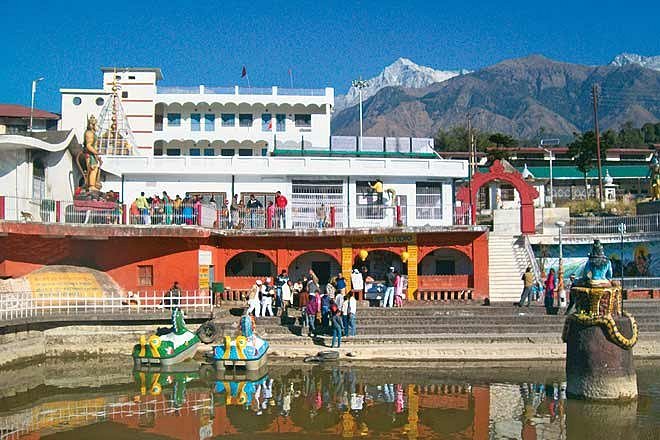
Chamunda Devi Temple

Shaktipeeth
Sri Umakotilingeswara Swamy Sri Sitarama Swamy Temple - Shakti Peetha
Shaktipeeth
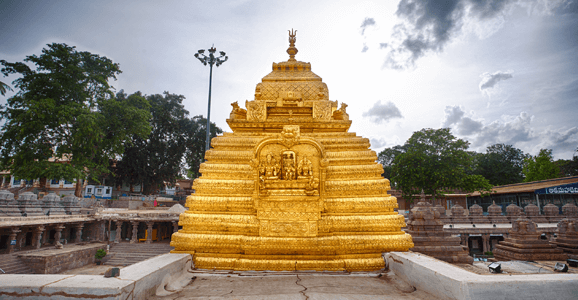
Shri Mallikarjuna Jyotirlinga Temple

Shaktipeeth
Shri Puruhutika Shaktipeeth, Pithapuram

Samshaktipeeth
Draksharama Sri Manikyambadevi Sametha Sri Bheemeswara swami temple (Manikyamba Shaktipeeth)
Shaktipeeth
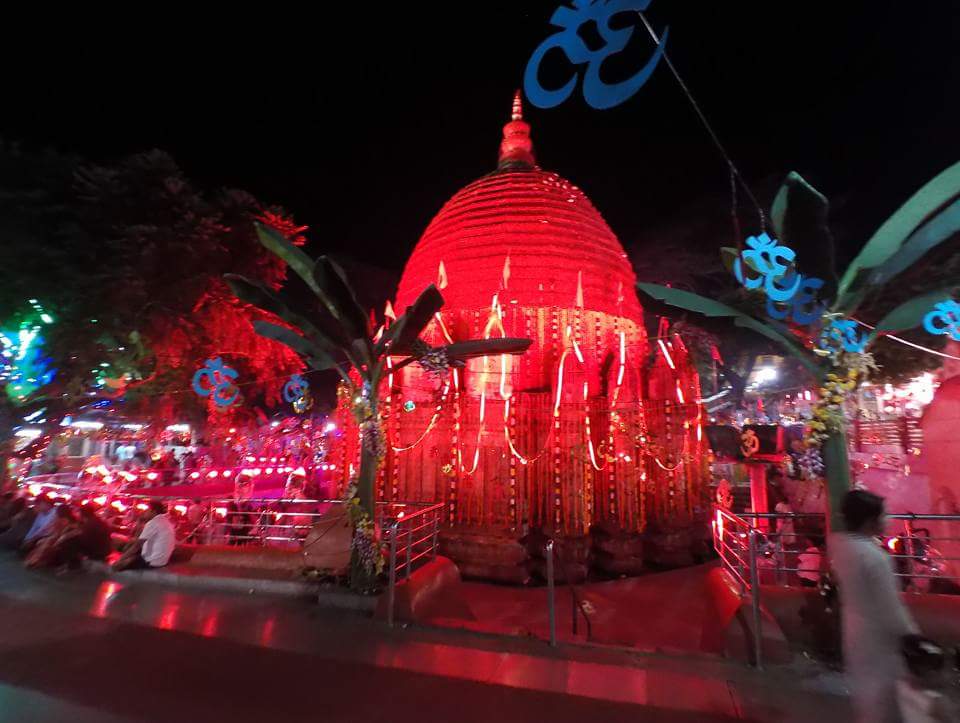
Maa Kamakhya Temple