

Shaktipeeth
Godavaritira
Sri Umakotilingeswara Swamy Sri Sitarama Swamy Temple - Shakti Peetha
- Devi
- Vishveshi
- Bhairava
- Vishvesha
- Place
- Kotilingala Veedhi, Andhra Pradesh, India
Shaktipeeth
Dakshayani Shakti Peetha, Lake Manasarovar
Southwestern Shore of Lake Manasarovar, near Chiu Gompa, Burang County, Ngari Prefecture, Tibet Autonomous Region, China, Pin: 859000 (approximate region code).
Lake Manasarovar near Mount Kailash is sacred to Hindu, Buddhist, Jain and Bon traditions. Shakti accounts identify the wider area with Manasa Peetha and Dakshayani, but an exact standing temple on the southwestern shore is not securely verified.

Manasa Shakti Peetha is associated with the sacred landscape of Lake Manasarovar near Mount Kailash in the Tibet Autonomous Region of China. Manasarovar is revered across Hindu, Buddhist, Jain and Bon traditions and forms one of Asia’s most demanding high-altitude pilgrimage destinations. For Hindu pilgrims, the lake is commonly visited together with Mount Kailash through a regulated yatra requiring official travel documents, medical fitness and organised access arrangements.
The Peetha is recorded as Manasa, with Malava appearing as an alternate name in some traditions. According to the source followed by this database, Sati’s right hand, or dakshina-hasta, fell in the wider Manasarovar region. The Goddess is Dakshayani and the Bhairava is Hara, with Hari and Amara preserved as variant names. The exact point of the Peetha has not been securely identified, and a standing Dakshayani temple on the southwestern shore should not be presented as verified. The sacred region, rather than a confirmed building, is therefore the appropriate focus.
Saga Dawa is a major sacred period in the Kailash–Manasarovar area, although it belongs to the region’s broader Tibetan religious calendar rather than a documented festival of a specific Shakti temple. Indian participation in the Kailash Manasarovar Yatra depends on current government arrangements and permits. This entry represents a landscape-based Peetha tradition whose spiritual importance exceeds the certainty of its modern physical identification.
Manasa Peetha tradition associates Sati's right hand, dakshina-hasta, with Lake Manasarovar and names Dakshayani with Bhairava Hara, Hari or Amara. The exact shrine location near the lake is uncertain, and access is highly regulated. The identification should not imply a verified standing temple. Sources vary.
1. For the dteails of Peetha, Body parts, Devi, Bhairava we primarily used the book The Shakta Pithas by Dr. Dines Chandra Sircar (D. C. Sircar), and secondaryly used the book 108 Divya Shaktipeethas by Banwari Lal Kanchhal. 2. This Shaktipeeth is mentioned in the list of the Pithas (Mahapithas) in the Shivacharita
Shaktipeeth
Sri Umakotilingeswara Swamy Sri Sitarama Swamy Temple - Shakti Peetha
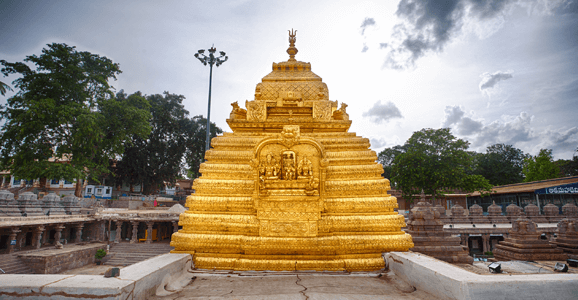
Shaktipeeth
Shri Mallikarjuna Jyotirlinga Temple

Shaktipeeth
Shri Puruhutika Shaktipeeth, Pithapuram

Samshaktipeeth
Draksharama Sri Manikyambadevi Sametha Sri Bheemeswara swami temple (Manikyamba Shaktipeeth)
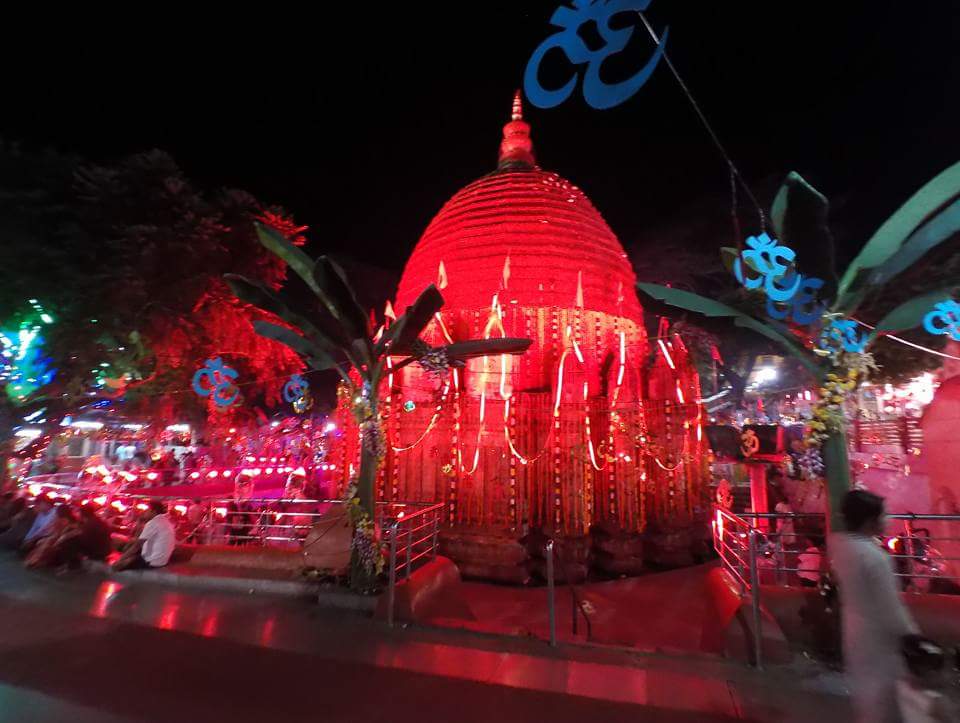
Shaktipeeth
Maa Kamakhya Temple
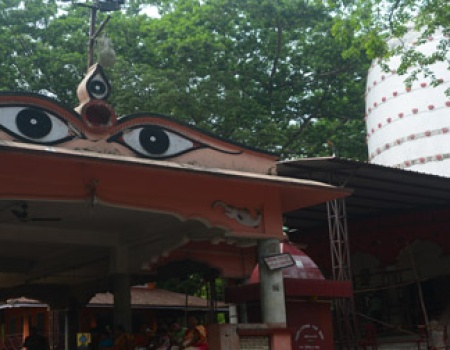
Samshaktipeeth
MAA MAHAMAYA MANDIR,BAGRIBARI

Upa Shaktipeeth
DIRGHESWARI TEMPLE

Upa Shaktipeeth
Sri Sri Ugratara Devalaya

Shaktipeeth
Guhyeshwari Shaktipeeth Temple