

Shaktipeeth
Godavaritira
Sri Umakotilingeswara Swamy Sri Sitarama Swamy Temple - Shakti Peetha
- Devi
- Vishveshi
- Bhairava
- Vishvesha
- Place
- Kotilingala Veedhi, Andhra Pradesh, India
Samshaktipeeth
Maa Sugandha Devi Shaktipeeth Mandir
R7V5+9P6, Bangladesh
Sugandha Shakti Peetha is located at Shikarpur, north of Barisal, near the Sugandha River. Tradition associates the site with Sati’s nose and worships the goddess as Sunanda, with Tryambaka as Bhairava. The shrine is also locally known as Shikarpur Tarabari.

Sugandha Shakti Peetha is located at Shikarpur, north of Barisal in Bangladesh, close to the river traditionally associated with the name Sugandha. The shrine is dedicated to Goddess Sunanda and is also known locally as Shikarpur Tarabari. It remains one of Bangladesh’s recognised Hindu pilgrimage sites and forms part of the wider network of Shakti Peethas distributed across the Indian subcontinent.
The classical Sugandha tradition associates the site with Sati’s nasika, or nose. The presiding Shakti is Sunanda, while Sugandha is used as an alternate divine name, and the accompanying Bhairava is Tryambaka. The symbolism of fragrance is naturally connected with the nose and with the name Sugandha. D. C. Sircar includes the Peetha among the Mahapithas recorded in the Shivacharita. Banwari Lal Kanchhal classifies the identified shrine as a Samshaktipeeth, demonstrating that modern source traditions do not always assign the same rank.
Shiva Chaturdashi is the temple’s best-documented annual festival, bringing devotees for special worship connected with Sunanda and Tryambaka. Reliable public documentation concerning the shrine’s architectural history and administrative development remains limited, so uncertain dates or rebuilding claims should be avoided. Sugandha is best presented as a living Shakta pilgrimage centre whose identity rests on its Shikarpur location, the Sunanda–Tryambaka pairing and the traditional association with Sati’s nose.
At Sugandha, the classical tradition associates Sati’s nasika, or nose, with the Peetha. The goddess is Sunanda, also called Sugandha, and Bhairava is Tryambaka. D. C. Sircar includes it among the Shivacharita Mahapithas, while Banwari Lal Kanchhal classifies the identified shrine as a Samshaktipeeth.
1. For the dteails of Peetha, Body parts, Devi, Bhairava we primarily used the book The Shakta Pithas by Dr. Dines Chandra Sircar (D. C. Sircar), and secondaryly used the book 108 Divya Shaktipeethas by Banwari Lal Kanchhal. 2. This Shaktipeeth is mentioned in the list of the Pithas (Mahapithas) in the Shivacharita. 3. Banwari Lal Kanchhal, in his book 108 Divya Shaktipeethas, identifies this temple/place as a Samshaktipeeth. However, D. C. Sircar, in The Shakta Pithas, lists it as a Shakti Peetha, referring to the list of Pithas (Mahapithas) mentioned in the Shivacharita.
Shaktipeeth
Sri Umakotilingeswara Swamy Sri Sitarama Swamy Temple - Shakti Peetha
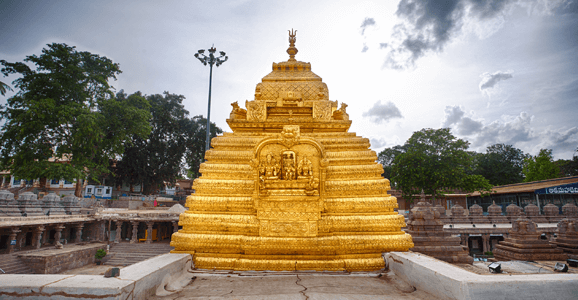
Shaktipeeth
Shri Mallikarjuna Jyotirlinga Temple

Shaktipeeth
Shri Puruhutika Shaktipeeth, Pithapuram

Samshaktipeeth
Draksharama Sri Manikyambadevi Sametha Sri Bheemeswara swami temple (Manikyamba Shaktipeeth)
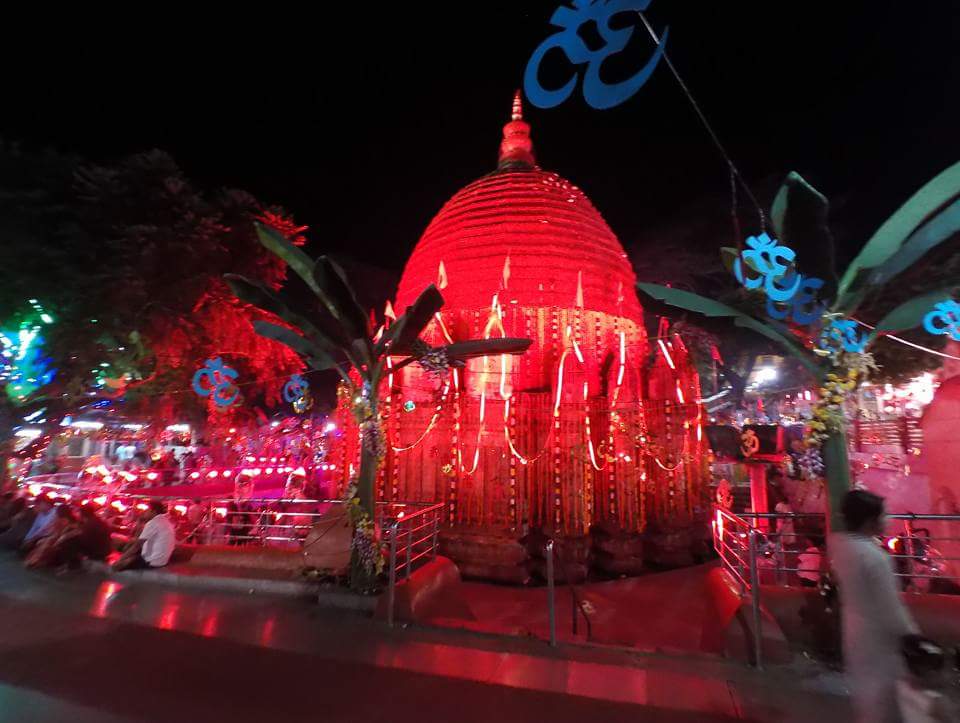
Shaktipeeth
Maa Kamakhya Temple
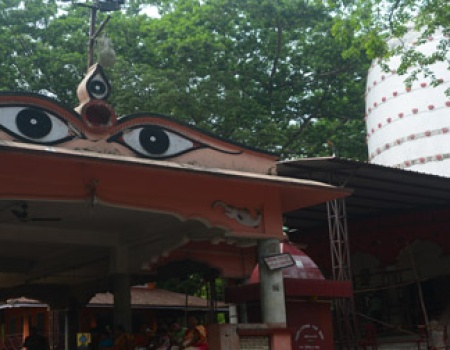
Samshaktipeeth
MAA MAHAMAYA MANDIR,BAGRIBARI

Upa Shaktipeeth
DIRGHESWARI TEMPLE

Upa Shaktipeeth
Sri Sri Ugratara Devalaya

Shaktipeeth
Guhyeshwari Shaktipeeth Temple