

Shaktipeeth
Magadh
Shri Badi Patan Devi Temple, Patna
- Devi
- Sarvanandkari
- Bhairava
- Vyomkesh
- Place
- Sadikpur, Bihar, India
Shaktipeeth
Jaymangla Garh Temple
Jaimangalpur, Bihar 851127
Jaymangla Garh Temple near Manjhaul is an ancient goddess shrine beside the Kanwar Lake region of Begusarai. It is valued for both its religious importance and its archaeological and natural setting.
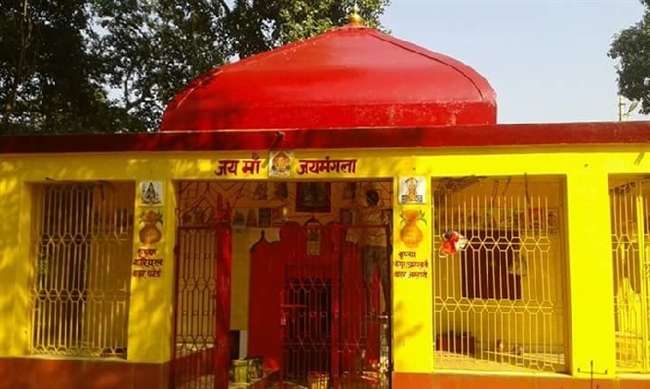
Jaimangla Garh Temple is located near Manjhaul in Begusarai district, Bihar, close to the Kanwar or Kabar Lake wetland. The shrine’s setting amid water, vegetation and archaeological remains gives it a distinctive place in the sacred landscape of northern Bihar. The principal deity is worshipped as Jaimangla or Mangala Devi, commonly represented by a dark stone image identified with Chandi. The temple is an established focus of local devotion and is often visited together with the surrounding lake and heritage area.
In the regional interpretation used in this database, Jaimangla Garh is associated with the Mithila Shakti Peetha, where Sati’s left shoulder, or vama-skandha, is believed to have fallen. The Peetha goddess is named Uma or Mahadevi and Bhairava is identified as Mahodara. However, several shrines across the wider Mithila region claim this identification, while classical texts do not clearly establish one modern location. Jaimangla Garh should therefore be presented as a regional claimant, not as an uncontested classical identification.
Navaratri is the principal season of heightened worship, and local celebrations sometimes described as Jaimangla Utsav reinforce the temple’s cultural role. Devotees come for darshan, offerings and family observances. The shrine’s significance rests on its living goddess tradition, its possible connection with the Mithila Peetha narrative and its unusual natural setting beside one of Bihar’s best-known wetlands.
Jaymangla Garh is linked in some regional accounts with the Mithila Peetha and Sati's left shoulder, or Vama-skandha. The attribution is not exclusive, because Uchchaith, Ugratara and other sites are also proposed for Mithila. Frame the body-part entry as one living regional identification among several competing...
1. For the dteails of Peetha, Body parts, Devi, Bhairava we primarily used the book The Shakta Pithas by Dr. Dines Chandra Sircar (D. C. Sircar), and secondaryly used the book 108 Divya Shaktipeethas by Banwari Lal Kanchhal. 2. The ambiguity of the Mithilā Śaktipīṭha stems from ancient texts that name the general region rather than a precise location, leading four distinct temples (Uchchaith in Madhubani, Ugratara in Saharsa, Jayamangala Garh in Begusarai, and Manipur Devi Asthan in Samastipur) to legitimately claim the title based on their own unique historical artifacts, geographic interpretations, and deity forms. 3. This Shaktipeeth is mentioned in the list of the Pithas (Mahapithas) in the Shivacharita
Shaktipeeth
Shri Badi Patan Devi Temple, Patna

Samshaktipeeth
Maa Chandika Shakti Peeth

Samshaktipeeth
Manipur Devi asthan

Samshaktipeeth
Maa Aranya Devi Temple

Samshaktipeeth
MAA TARA CHANDI

Samshaktipeeth
Maa Sarva Mangla Gauri Shakti Peeth Temple
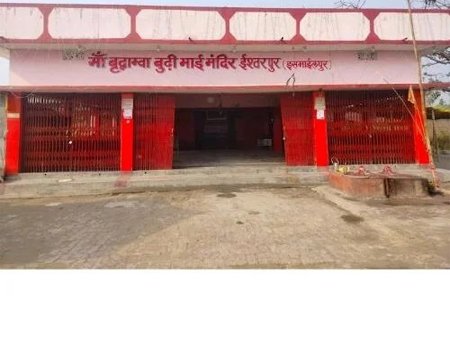
Upa Shaktipeeth
Budhi Mai Temple

Shaktipeeth
Uchhaith Bhagwati Mandir, Benipatti, Madhubani

Shaktipeeth
Maa Ugratara Sthan Temple, (Mahishmati)Mahisi