
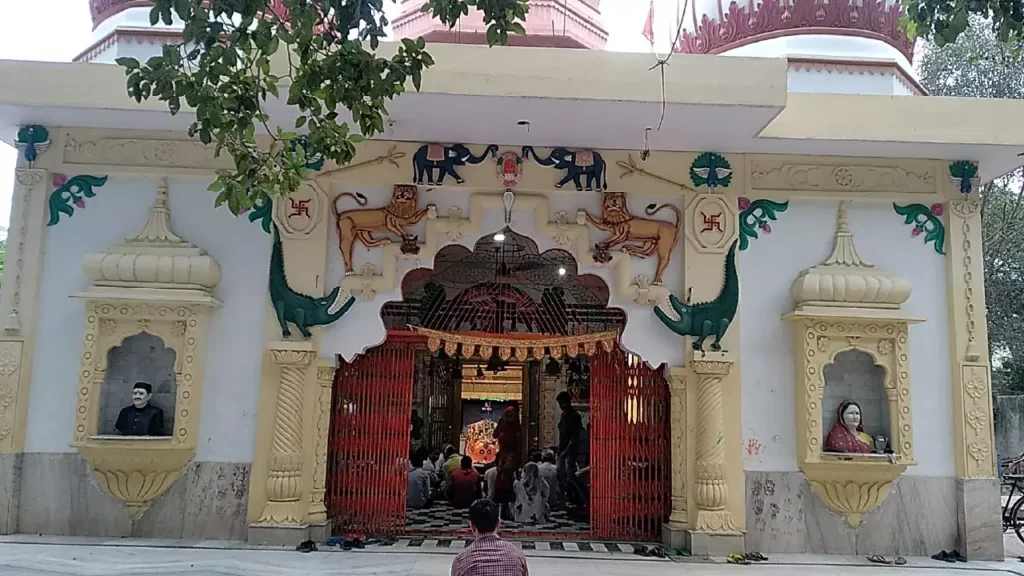
Shaktipeeth
Vrindavan
Shri Chamunda Devi Temple
- Devi
- Devi Uma
- Bhairava
- Bhutesh
- Place
- Masani, Uttar Pradesh, India
Upa Shaktipeeth
Rajarajeshwari Shaktipeeth / Sangam Shaktipeeth
Triveni Sangam, Prayagraj, Uttar Pradesh
The Rajarajeshwari or Sangam Shakti Peetha identification centres on Prayagraj's Triveni Sangam. Public documentation of a distinct permanent temple, official website and body-part tradition remains limited.

The Rajarajeshwari or Sangam Shakti Peetha identification is centred on the Triveni Sangam at Prayagraj, where the Ganga and Yamuna meet the traditionally invisible Saraswati. The district administration describes the Sangam as Tirtharaj, the king of pilgrimage places. Unlike entries based on a clearly documented temple building, this tradition is primarily connected with the sacred confluence and the wider Prayag landscape. Public evidence for a separate permanent Rajarajeshwari temple at the exact Sangam is limited.
The Peetha is recorded as Prayag, with Triveni Sangam as the alternate geographical name. The Goddess is identified as Rajarajeshwari, with Saraswati appearing as an alternate name in the database. No dependable Sati body-part attribution or corresponding Bhairava name has been verified for this specific identification, so those fields should remain NULL. Although other Prayaga traditions associate Sati’s fingers with the region, that detail should not be automatically transferred to this entry without an explicit supporting source.
Kumbh Mela and the annual Magh Mela define the pilgrimage cycle of the Sangam, with ritual bathing at their centre. Navratri is the principal season for worship of Rajarajeshwari as the Divine Mother. This entry is best understood as a landscape-based Shakti tradition within Prayagraj rather than a securely documented standalone temple. Its significance comes from the sanctity of the confluence and its position within India’s largest pilgrimage gatherings.
No dependable Sati body-part attribution was verified for the Rajarajeshwari or Sangam identification in the source fields. Prayaga traditions generally refer to Sati's fingers, but that detail should not be automatically transferred to this exact shrine without an explicit supporting source. Sources vary.
Shaktipeeth
Shri Chamunda Devi Temple
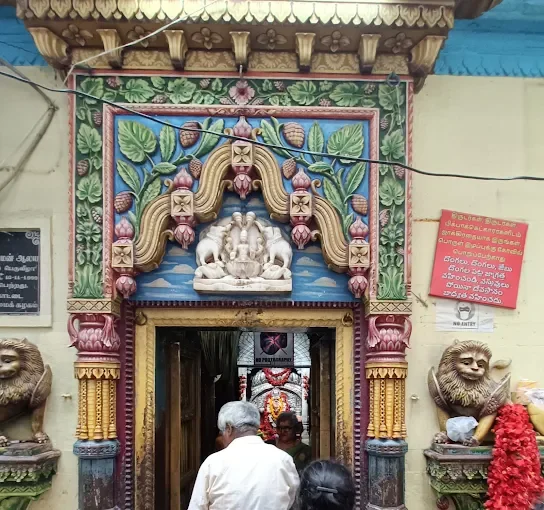
Shaktipeeth
Shri Vishalakshi Mata Shaktipeeth Temple

Shaktipeeth
Maa Vindhyavasini Temple

Samshaktipeeth
Shaktipeeth Mata Mukteshwari Temple
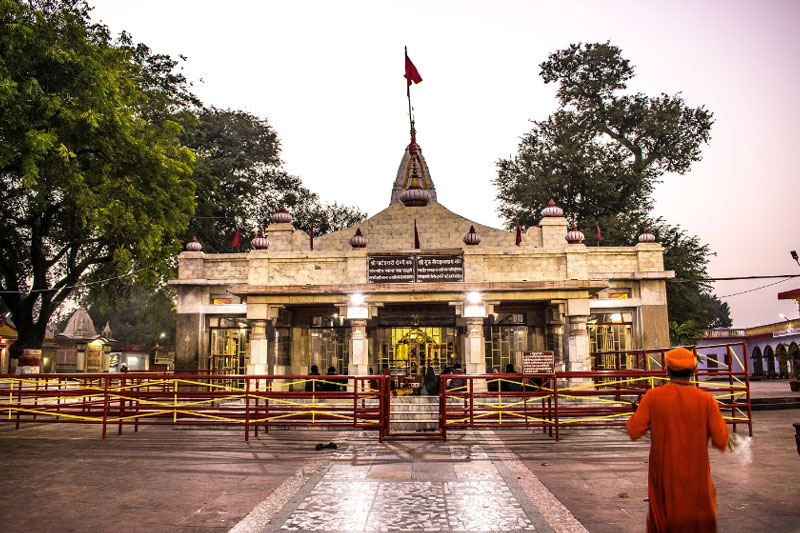
Samshaktipeeth
Devi patan Temple,Tulsipur
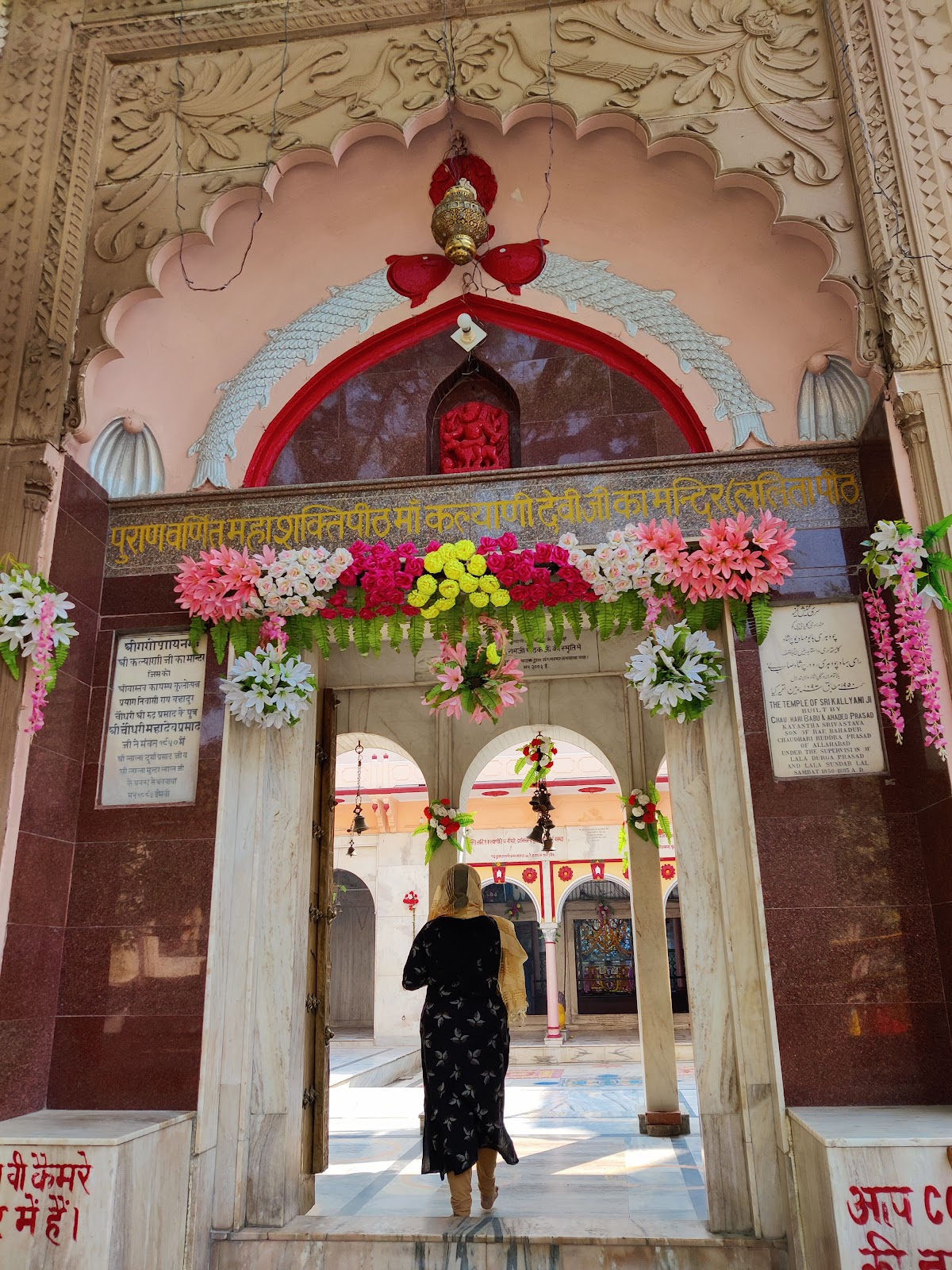
Upa Shaktipeeth
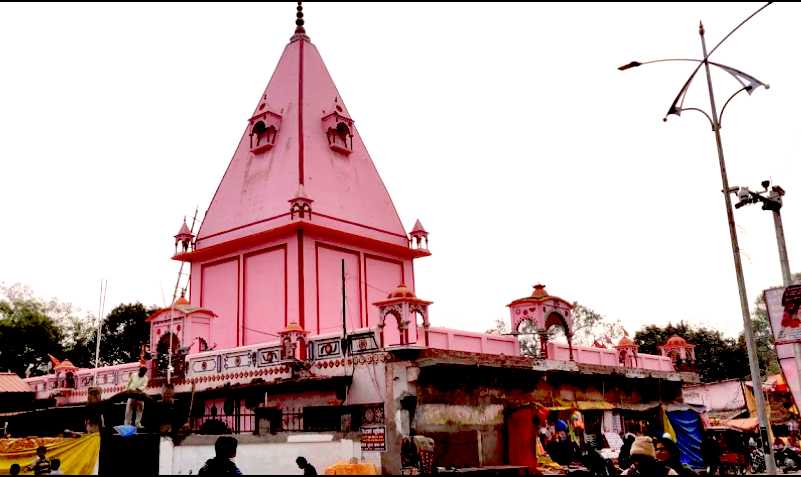
Maa Kalyani Devi Shaktipeeth Mandir
Upa Shaktipeeth
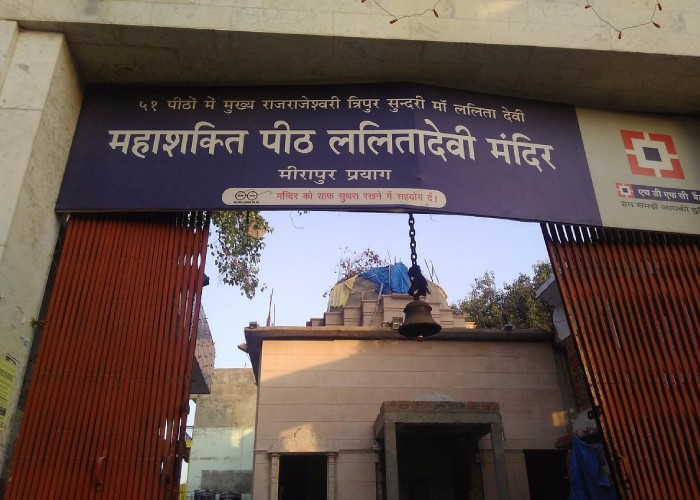
Alop Shankari Devi Shakti Peeth Mandir
Upa Shaktipeeth
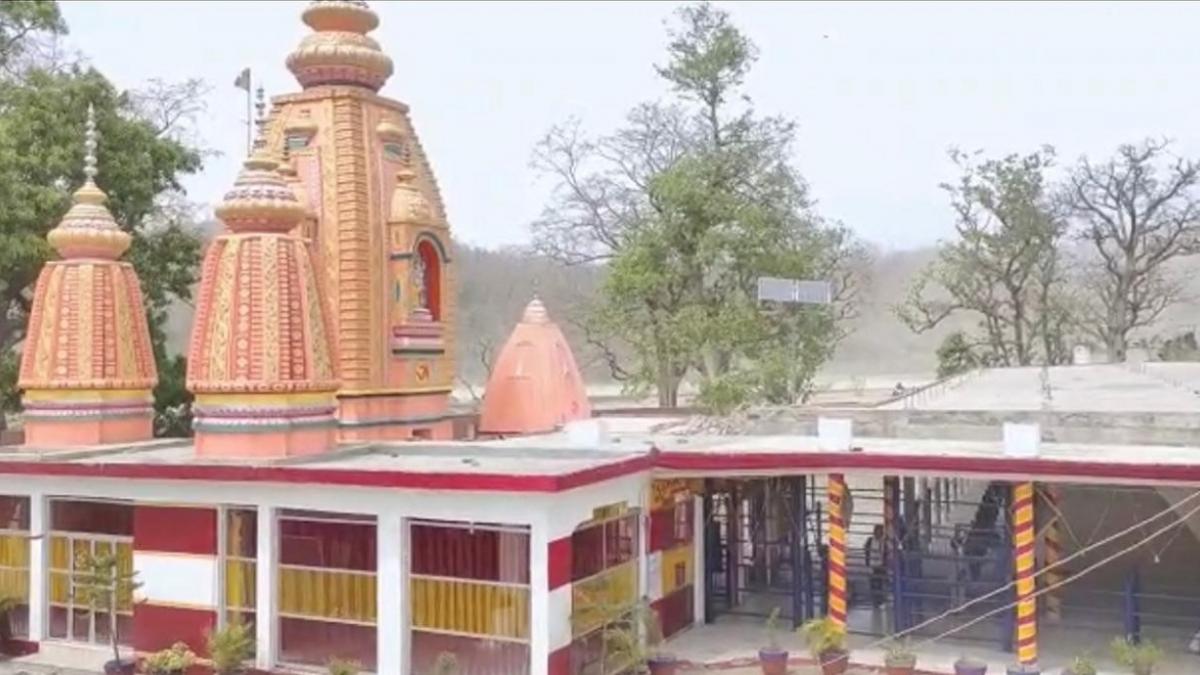
Lalita Devi Mandir
Upa Shaktipeeth
Shaktipeeth Shri Shakambhari devi ji temple Saharanpur