
Shaktipeeth
Vrindavan
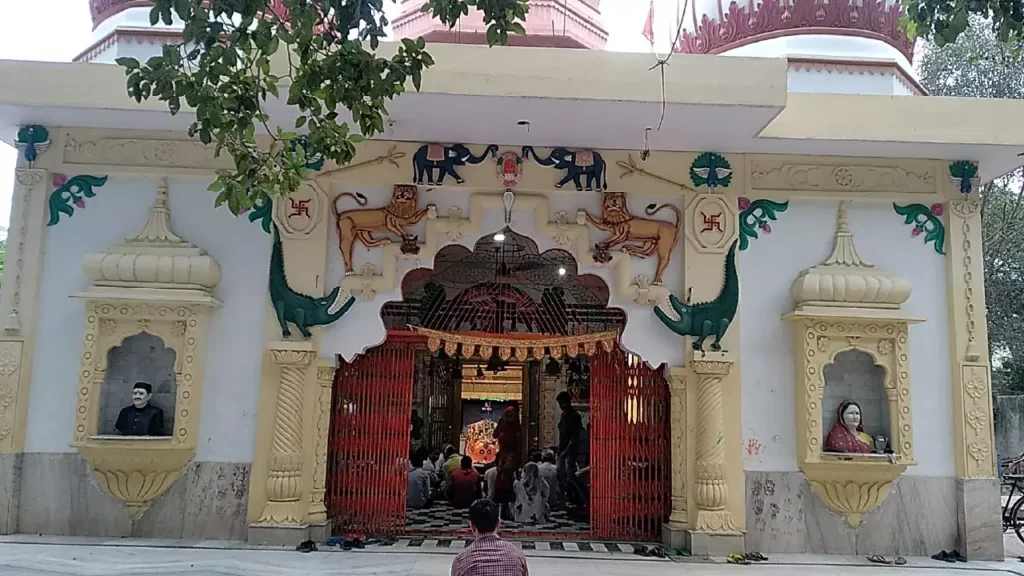
Shri Chamunda Devi Temple
- Devi
- Devi Uma
- Bhairava
- Bhutesh
- Place
- Masani, Uttar Pradesh, India
Upa Shaktipeeth
Alop Shankari Devi Shakti Peeth Mandir
27 Alopibag, Alopi Bagh, Prayagraj, Uttar Pradesh 211006
Alopi Devi Mandir in Alopibagh is unusual because the sanctum centres on a wooden cradle rather than an anthropomorphic idol. It is one of several Prayagraj shrines identified with Prayaga Shakti Peetha.
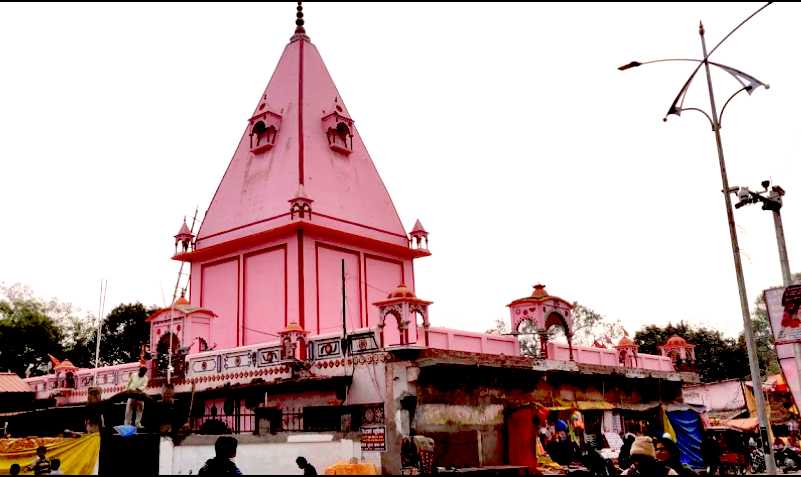
Alop Shankari Devi Temple, commonly called Alopi Devi Mandir, stands in the Alopibagh area of Prayagraj. The shrine is unusual because its sanctum centres on a wooden cradle or swing rather than a conventional anthropomorphic image of the Goddess. This distinctive form of worship gives the temple a strong local identity. Devotees visit throughout the year and often include it with the Sangam and Prayagraj’s other important Devi temples.
The database records the site under Prayaga Peetha. In the textual tradition used here, Sati’s fingers, or hasta-anguli, fell in the sacred Prayag region; the Goddess is Lalita and the accompanying Bhairava is Bhava. Alopi Devi is only one of several modern locations associated with this tradition. Lalita Devi Temple, Kalyani Devi Temple and the Triveni Sangam are also claimed as manifestations or locations of Prayaga Peetha. The description should therefore avoid declaring Alopi Devi the single universally accepted site.
Navratri is the temple’s principal season of special Goddess worship. The wider city receives exceptionally large numbers of pilgrims during the annual Magh Mela and periodic Kumbh gatherings at the Sangam, which also increase visits to nearby temples. Alopi Devi’s importance rests on its distinctive living ritual, strong local devotion and place within Prayagraj’s layered network of Shakti traditions rather than on an uncontested geographical identification.
Prayaga tradition associates Sati's fingers, hasta-anguli, with the sacred region and names Lalita with Bhairava Bhava. Alopi Devi is one of several Prayagraj shrines identified with the Peetha. Because Kalyani Devi, Lalita Devi and the Sangam also claim the tradition, no single site is universal. Sources vary.
1. For the dteails of Peetha, Body parts, Devi, Bhairava we primarily used the book The Shakta Pithas by Dr. Dines Chandra Sircar (D. C. Sircar), and secondaryly used the book 108 Divya Shaktipeethas by Banwari Lal Kanchhal. 2. This Shaktipeeth is mentioned in the list of the Pithas (Mahapithas) in the Shivacharita. 3. Banwari Lal Kanchhal, in his book 108 Divya Shaktipeethas, identifies this temple/place as a Upa Shaktipeeth. However, D. C. Sircar, in The Shakta Pithas, lists it as a Shakti Peetha, referring to the list of Pithas (Mahapithas) mentioned in the Shivacharita.
Shaktipeeth
Shri Chamunda Devi Temple
Shaktipeeth
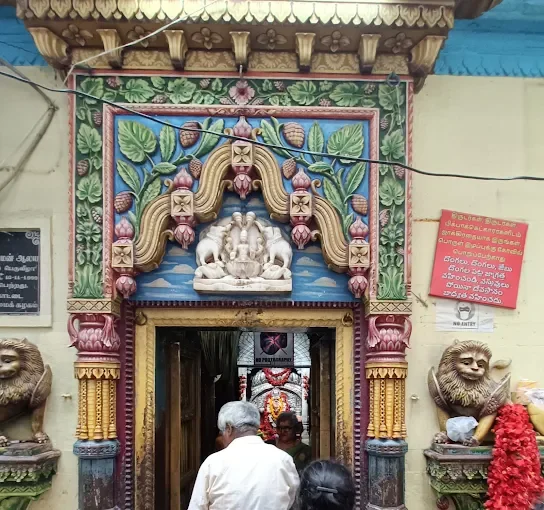
Shri Vishalakshi Mata Shaktipeeth Temple

Shaktipeeth
Maa Vindhyavasini Temple

Samshaktipeeth
Shaktipeeth Mata Mukteshwari Temple
Samshaktipeeth
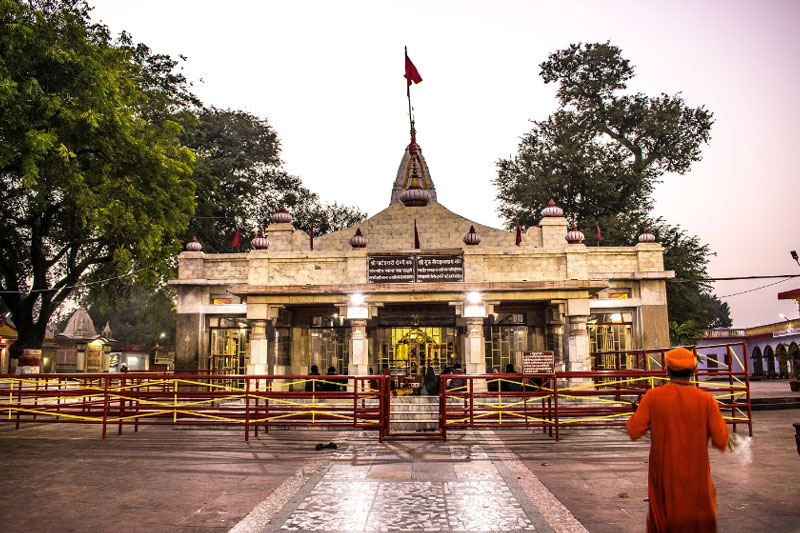
Devi patan Temple,Tulsipur
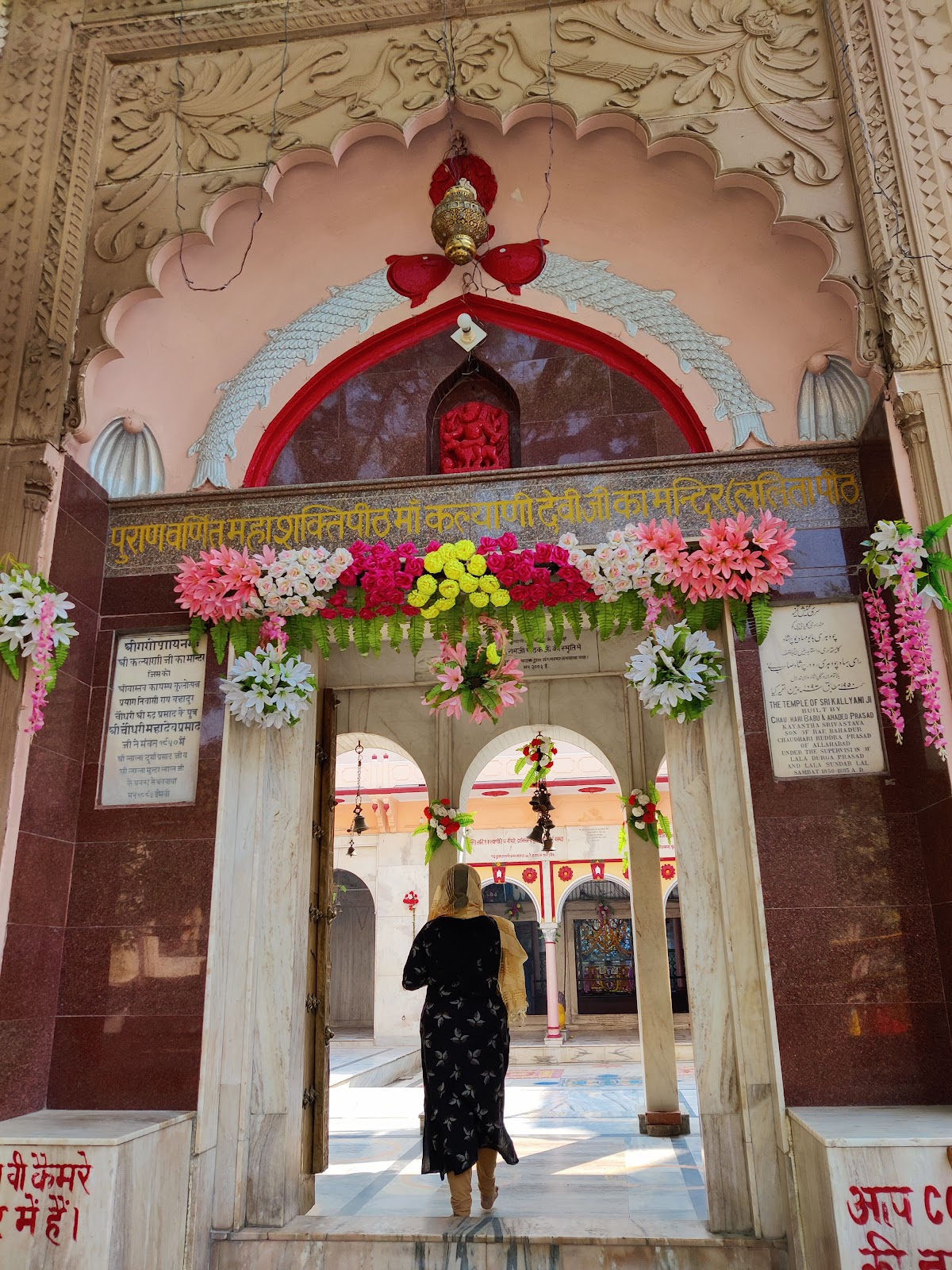
Upa Shaktipeeth
Maa Kalyani Devi Shaktipeeth Mandir

Upa Shaktipeeth
Rajarajeshwari Shaktipeeth / Sangam Shaktipeeth
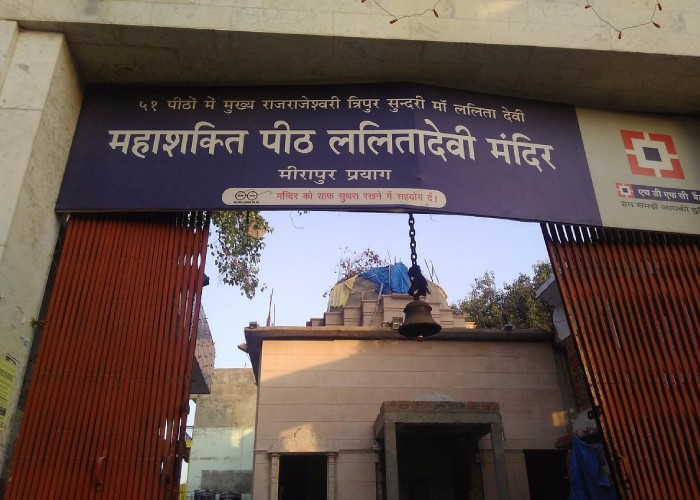
Upa Shaktipeeth
Lalita Devi Mandir
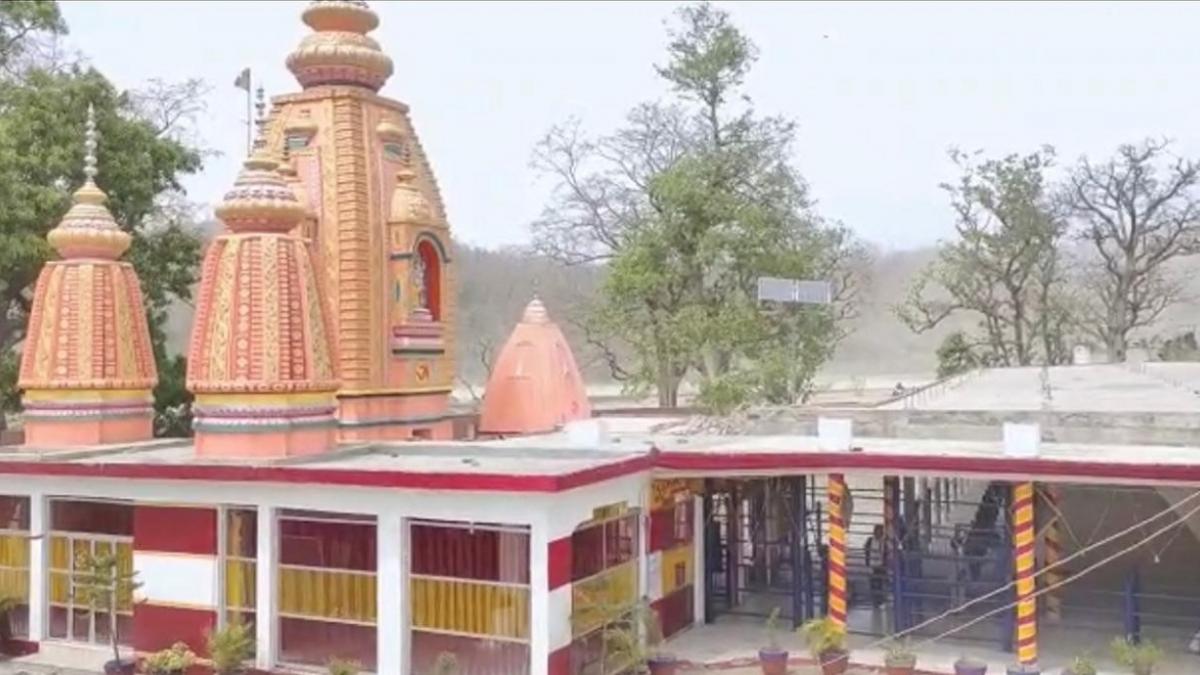
Upa Shaktipeeth
Shaktipeeth Shri Shakambhari devi ji temple Saharanpur