

Shaktipeeth
Narmada
Shree Maa Narmada Temple
- Devi
- Shona
- Bhairava
- Bhadrasena
- Place
- Jabalpur, Madhya Pradesh, India
Shaktipeeth
Phoolmati Mata Mandir,Nayagaon, Chitrakoot
Naya Gaon, Chitrakoot, Madhya Pradesh 485334
Phoolmati Mata Mandir at Nayagaon is linked regionally with Ramagiri Shakti Peetha. The shrine lies within Chitrakoot's extensive sacred landscape, although other temples and locations are also proposed for the classical Peetha.

Phoolmati Mata Mandir at Nayagaon is a regional goddess shrine within the sacred landscape of Chitrakoot, a pilgrimage region associated above all with Rama’s forest exile. Chitrakoot extends across the present boundary of Madhya Pradesh and Uttar Pradesh and includes Kamadgiri, Ramghat, the Mandakini River and numerous temples and ashrams. The Phoolmati shrine is locally connected with the Shakti tradition of Ramagiri, although public historical documentation for this exact temple remains limited.
Ramagiri Peetha traditions differ significantly over the body part of Sati. Sources variously name the breast, or stana; the nose, or nasa; and nala, a term whose anatomical meaning is interpreted differently. The goddess is Shivani and Bhairava is Chanda. Phoolmati Mata Mandir is one proposed modern identification, but other temples and locations are also linked with Ramagiri. The entry should therefore preserve all three textual variants and describe the Chitrakoot identification as regional rather than exclusive.
Navratri is the main period of special goddess worship. Ram Navami also brings extensive pilgrimage across Chitrakoot, though it belongs to the wider Rama-centred sacred circuit rather than solely to this temple. Visitors commonly combine the shrine with Kamadgiri Parikrama, Ramghat and other nearby sites. Its importance lies in linking Shakta devotion with Chitrakoot’s broader Ramayana geography while keeping the precise classical identification appropriately qualified.
Ramagiri traditions vary between Sati's breast, nose and nala, a term interpreted differently by sources. Shivani is named as the goddess and Chanda as Bhairava. Phoolmati Mata Temple at Chitrakoot is a regional identification, while other locations are also proposed for Ramagiri Peetha. Sources vary.
1. For the dteails of Peetha, Body parts, Devi, Bhairava we primarily used the book The Shakta Pithas by Dr. Dines Chandra Sircar (D. C. Sircar), and secondaryly used the book 108 Divya Shaktipeethas by Banwari Lal Kanchhal. 2. This Shaktipeeth is mentioned in the list of the Pithas (Mahapithas) in the Shivacharita
Shaktipeeth
Shree Maa Narmada Temple

Shaktipeeth
Shree Harsiddhi Mata Shaktipeeth Temple

Shaktipeeth
Gadh kalika Mata Shakti peeth Temple
Shaktipeeth
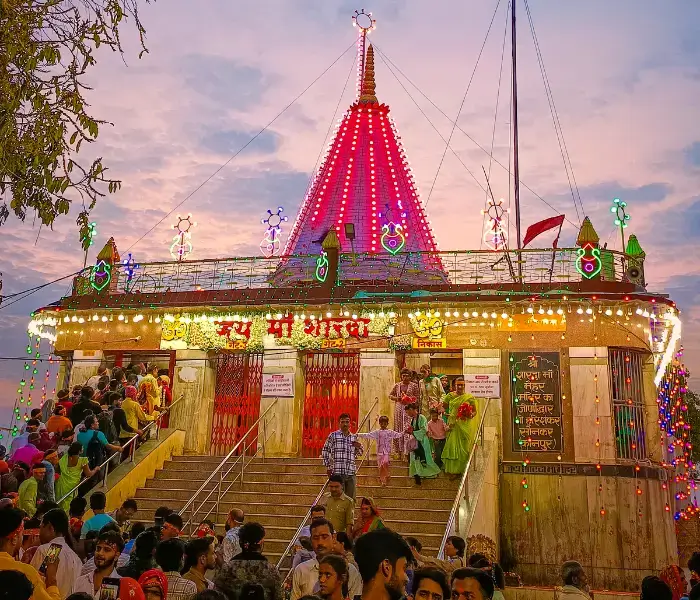
Maa Sharda Temple Maihar MP
Shaktipeeth
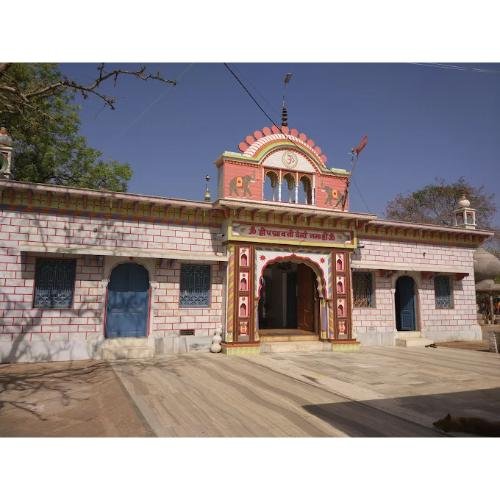
Shri Padmavati Shaktipeeth Panna
Shaktipeeth
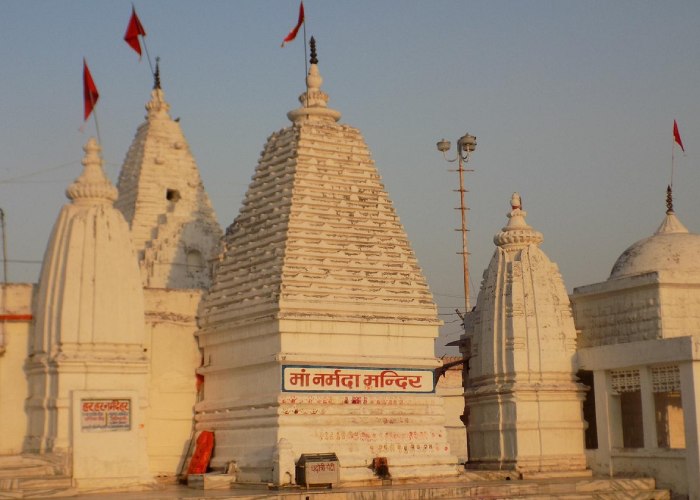
Amarkantak Temple

Shaktipeeth
Bhairav Parvat Mahakali Shakti Peeth

Shaktipeeth
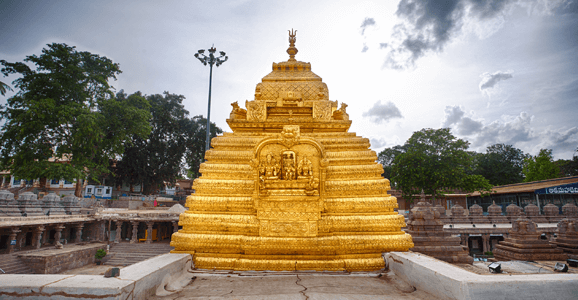
Sri Umakotilingeswara Swamy Sri Sitarama Swamy Temple - Shakti Peetha
Shaktipeeth
Shri Mallikarjuna Jyotirlinga Temple